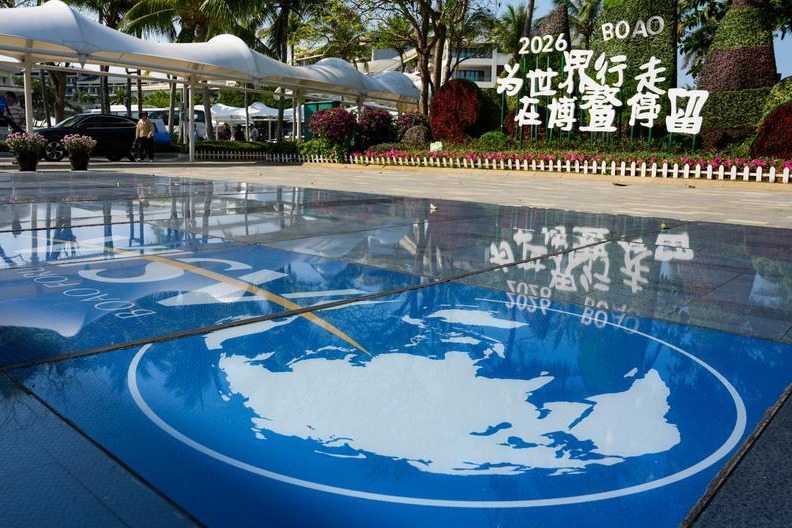
The Boao Zero-Carbon Demonstration Zone in China’s Hainan province has emerged as a global benchmark for sustainable urban development, achieving a remarkable 99.9% reduction in energy-related carbon emissions since its inception. Originally designated as a “near-zero” carbon zone, the project attained full “zero-carbon” status in March 2025 and has since maintained normalized operations at this exceptional environmental standard.
According to official measurements, carbon dioxide emissions from buildings and municipal infrastructure within the zone plummeted from 11,350.1 tonnes in 2019 to approximately 14.6 tonnes in 2025. This transformative achievement represents one of the most dramatic carbon reduction successes recorded worldwide.
The zone’s energy ecosystem now operates on a surplus model, generating 29 million kWh of clean electricity annually through extensive photovoltaic installations. This output substantially exceeds the zone’s internal consumption needs of 19.4 million kWh, allowing 9.6 million kWh of surplus green energy to be fed back into the regional power grid.
Visual documentation from March 2026 reveals comprehensive solar panel deployments across key facilities, including the Boao Forum for Asia International Conference Center and adjacent hotel properties. These installations form the technological backbone of the zone’s renewable energy infrastructure.
The project’s success provides a scalable model for regional decarbonization efforts and demonstrates China’s growing leadership in practical climate solutions. As international attention focuses on effective carbon reduction strategies, the Boao zone offers tangible evidence that ambitious environmental targets can be achieved through integrated planning and renewable technology implementation.