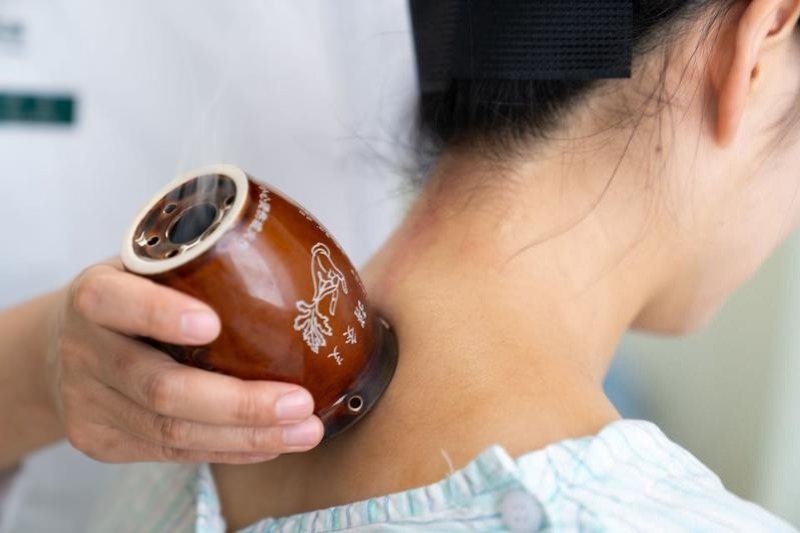
Chinese health authorities have unveiled comprehensive new guidelines mandating the standardization and expansion of Traditional Chinese Medicine (TCM) services at grassroots healthcare institutions nationwide. The National Administration of Traditional Chinese Medicine, in collaboration with the National Health Commission and National Disease Control and Prevention Administration, jointly issued the framework on Tuesday to enhance primary healthcare delivery through systematic TCM integration.
The groundbreaking standards require township health centers and community clinics to provide minimum service packages including at least six categories encompassing ten distinct TCM treatment modalities. These specifically include acupuncture, moxibustion therapy, cupping, and therapeutic massage among other techniques. Facilities must maintain pharmaceutical inventories of no fewer than 80 varieties of Chinese patent medicines and a minimum of 300 types of decoction pieces to ensure comprehensive treatment capabilities.
The guidelines emphasize the strategic application of TCM methodologies in chronic disease management, particularly for conditions including hypertension, diabetes mellitus, and chronic obstructive pulmonary disease. The framework advocates for integrated service models combining preventive care, therapeutic intervention, and rehabilitation services through TCM approaches.
Notably, the standards establish workforce requirements stipulating that TCM practitioners must constitute at least 20% of medical staff at primary healthcare institutions. This structural reinforcement aims to bolster the high-quality development of TCM services at community level, representing a significant advancement in China’s healthcare system modernization while preserving traditional medical practices.