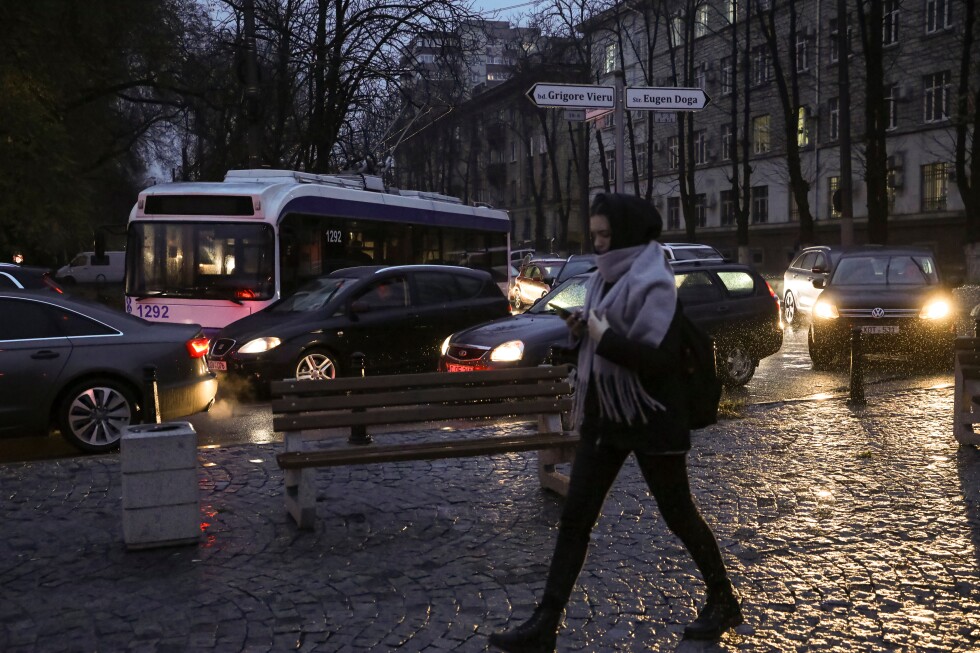
CHISINAU, Moldova — Moldova’s Parliament enacted a 60-day state of emergency within the nation’s energy sector on Tuesday, responding to critical infrastructure damage caused by Russian missile strikes on Ukraine’s power grid. The legislative body approved the measure with 72 votes in favor and 18 abstentions, reflecting bipartisan concern over the energy crisis.
The immediate catalyst for this decision was the overnight disconnection of the high-voltage Isaccea-Vulcanesti power line, a vital electricity conduit connecting southern Moldova to European Union member Romania. This disruption has significantly compromised Moldova’s energy stability, prompting authorities to urgently advise citizens to ration electricity consumption during peak hours while repair efforts are underway.
Prime Minister Alexandru Munteanu characterized the situation as a deliberate assault rather than accidental damage. ‘Russia’s attacks on civilian energy infrastructure in Ukraine constitute both war crimes and direct attacks against the Republic of Moldova,’ Munteanu stated during parliamentary proceedings. ‘Moscow bears sole responsibility for this crisis.’
The emergency declaration, effective Wednesday, will enable swifter mobilization of resources, enhanced protection of critical infrastructure, and implementation of additional crisis mitigation measures. Munteanu emphasized this represents ‘a measure of responsibility, not panic’ designed to ensure citizen safety.
Energy Minister Dorin Junghietu estimated repairs would require five to seven days to complete. The vulnerability stems from Moldova’s Soviet-era energy systems remaining interconnected with Ukraine’s grid, making the nation susceptible to disruptions since Russia’s full-scale invasion began in 2022.
President Maia Sandu directly accused Russia of intentional destabilization, noting on Facebook that the damaged power line typically supplies 60-70% of Moldova’s electricity during peak periods. ‘These are not accidents but deliberate actions by Russia to weaken and leave Moldova in the dark,’ Sandu wrote.
The energy emergency follows last week’s water crisis affecting tens of thousands of Moldovans after Russian strikes on a Ukrainian hydroelectric plant caused oil contamination in a shared river system. This pattern of infrastructure targeting has created sustained humanitarian challenges for the EU candidate country, though Russia consistently denies attempts to destabilize Moldova.
Reporting contributed from Leamington Spa, England.