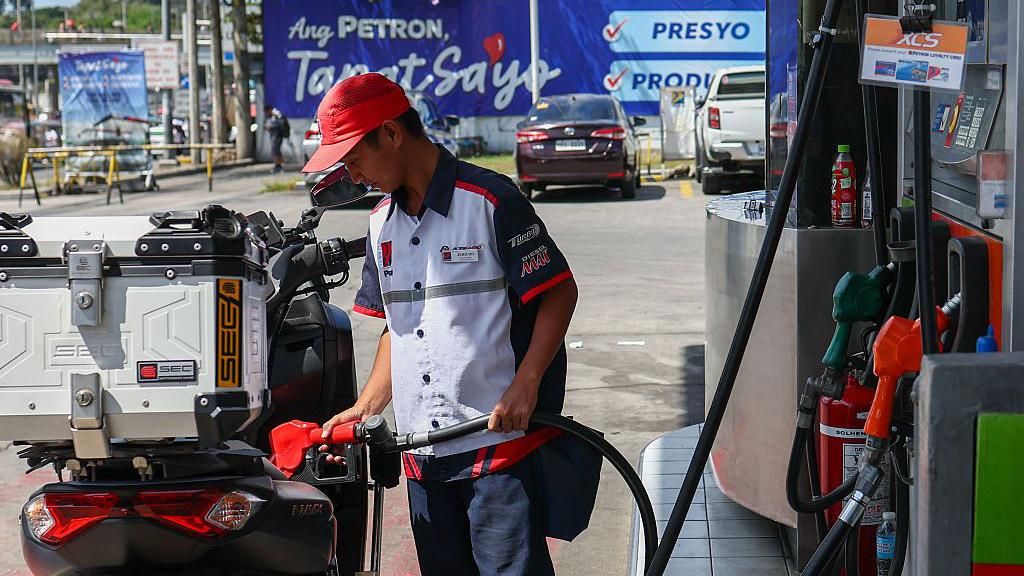
The Philippine government has officially proclaimed a nationwide energy emergency in response to mounting threats to fuel security triggered by escalating Middle Eastern hostilities. President Ferdinand Marcos Jr. enacted this decisive measure through an executive order on Tuesday, highlighting the severe disruptions to global energy supply chains caused by the US-Israel conflict with Iran.
The critical closure of the Strait of Hormuz—a vital maritime corridor for global oil shipments—has generated significant turbulence across international energy markets, resulting in dramatic price increases and supply shortages. This development poses particular vulnerability to the Philippines, which imports approximately 98% of its crude oil from the Gulf region.
President Marcos emphasized that the declaration enables coordinated governmental intervention to mitigate economic disruptions. A specialized committee has been established to oversee the systematic distribution and availability of essential commodities including fuel, food, and medicines. The emergency status, effective for one year unless modified, follows urgent appeals from Philippine senators addressing the ’emergency-level’ hardships confronting citizens.
Current data reveals petrol and diesel prices have more than doubled since pre-conflict levels recorded in February. In response to the crisis, authorities have implemented multiple countermeasures including transportation subsidies, reduced ferry operations, and a four-day work week for civil servants to conserve fuel resources.
Energy Secretary Sharon Garin disclosed that national fuel reserves currently stand at approximately 45 days of supply. The administration will temporarily increase reliance on coal-fired power generation to offset soaring liquefied natural gas costs. Asia remains disproportionately affected by the Strait of Hormuz blockade, with nearly 90% of the waterway’s oil and gas shipments destined for the region last year.