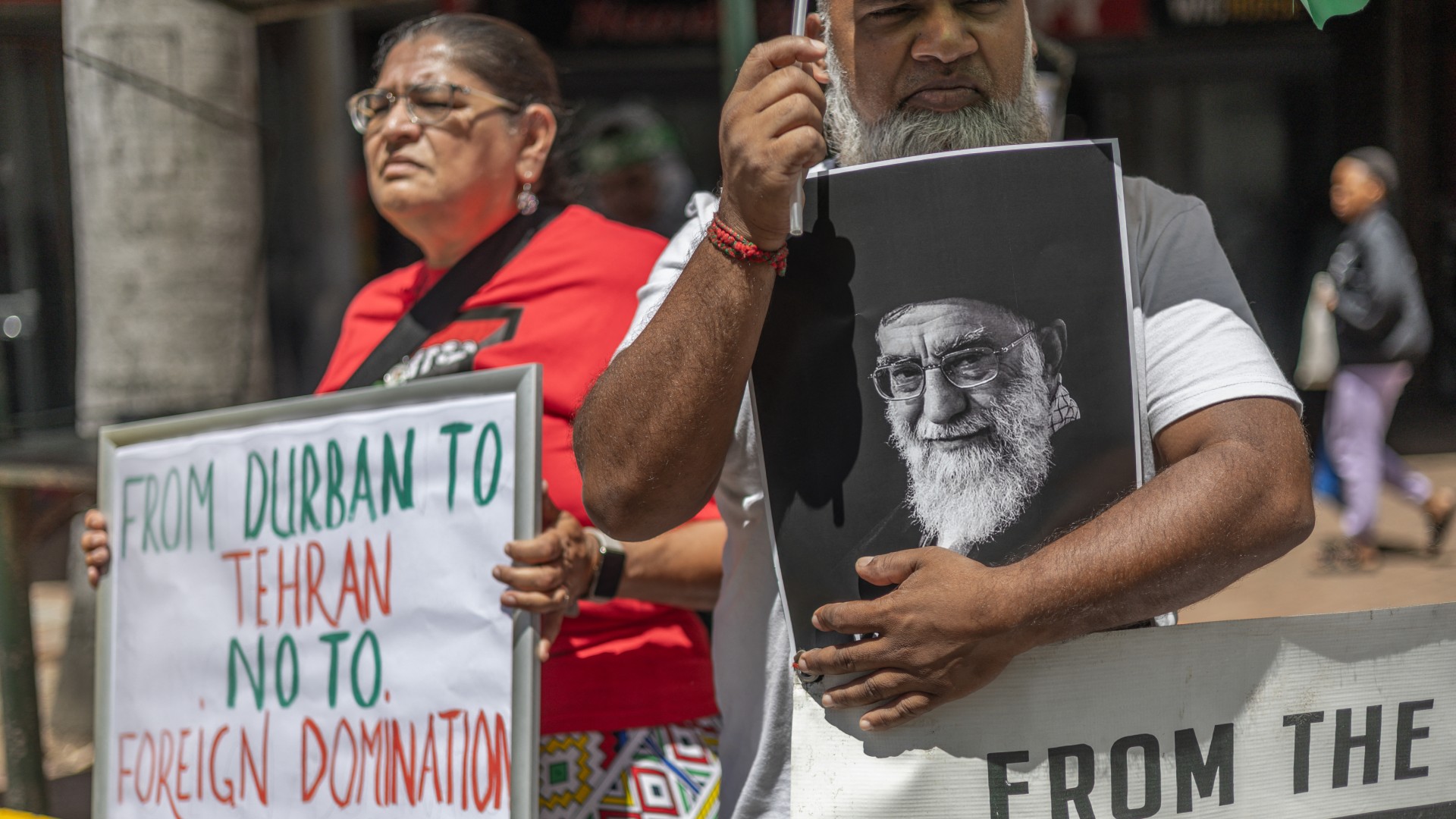
A notable diplomatic silence from African nations regarding US-Israeli military actions against Iran has sparked allegations from Tehran that Israel is utilizing its growing continental influence to suppress criticism of Middle Eastern operations. Since hostilities escalated in late February, the majority of African states alongside pan-continental organizations like the African Union (AU) have predominantly avoided direct commentary on the crisis, opting instead for generalized appeals for de-escalation while specifically condemning Iranian retaliatory measures in the Gulf region.
Analysts point to Africa’s constrained geopolitical leverage and vulnerability to global economic disruptions as primary reasons for this cautious approach. However, Iran’s Ambassador to South Africa, Mansour Shakib Mehr, offers a more accusatory interpretation. In statements to Middle East Eye, Mehr asserted that Israel is leveraging its relationships with African nations to obfuscate its historical actions in Palestine and West Asia, attempting to ‘reverse the roles of oppressor and victim.’
Scholars monitoring Israel-Africa relations acknowledge that while Tehran’s claims are politically motivated, they contain elements of truth. Raouf Farrah, co-author of a significant work on African solidarity with Palestine, confirmed that Israel has methodically expanded its diplomatic and political footprint across Africa over the past twenty years. This expansion continues unabated despite the ongoing conflict in Gaza, evidenced by recent diplomatic advancements in regions like Somaliland and a persistent push for AU observer status—a move previously thwarted by South Africa and Algeria.
Underpinning Africa’s reserved stance, experts argue, is a palpable concern over potential punitive measures from the United States. Farrah notes that new agreements with the US in critical sectors like digital infrastructure and health data systems create structural dependencies that heighten the political cost of adopting positions that might endanger these strategic partnerships. The perceived transactional and unpredictable nature of US foreign policy under the current administration further encourages this continental restraint, pushing many states toward strategic ambiguity to avoid diplomatic or economic repercussions.
The African Union’s official responses mirror this cautious calculus. Commission Chairperson Mahmoud Ali Youssouf has expressed concern over US-Israeli strikes while simultaneously issuing strong condemnations of Iranian retaliatory actions. An AU spokesperson emphasized the body’s consistent calls for restraint and adherence to international law in all global conflicts. Nonetheless, governance experts like the University of Pretoria’s Tendai Mbanje contend that the AU’s institutional and financial reliance on Western donors significantly limits its capacity to adopt a more forceful position. The absence of consensus among member states—with nations like South Africa condemning Israeli actions while others benefit from Israeli or US cooperation—further entrenches neutrality as the default, lowest-risk diplomatic stance.