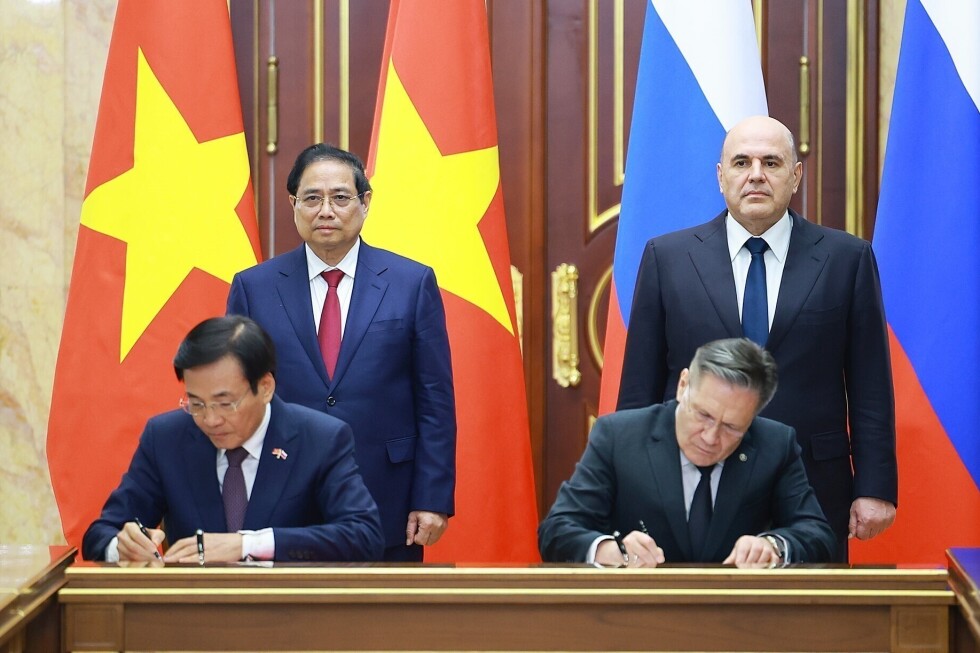
HANOI, Vietnam — In a significant energy security move, Vietnam has reignited its nuclear power program through a landmark agreement with Russia to construct a major nuclear facility. The deal, signed during Vietnamese Prime Minister Phạm Minh Chính’s official visit to Moscow, marks a revival of nuclear ambitions that were previously suspended in 2016 due to financial and safety considerations.
The Ninh Thuan 1 nuclear plant will feature two Russian-designed reactors with a combined capacity of 2,400 megawatts, utilizing technology based on existing Russian nuclear facilities. Both nations have characterized the project as a “symbolic representation” of their longstanding diplomatic relationship, which dates back to the Cold War era of the 1950s.
This nuclear initiative aligns with Vietnam’s broader economic objectives to achieve developed nation status by 2050 and transform into Asia’s next prominent “tiger economy.” The renewed push for nuclear energy comes amid global energy market disruptions triggered by international conflicts, which have driven up fossil fuel costs and emphasized the urgency of securing stable domestic power sources.
Across Southeast Asia, rapidly expanding economies are increasingly turning to nuclear power as a solution for cleaner, more reliable energy. Proponents highlight nuclear technology’s lower emissions profile compared to conventional fossil fuels and note that recent technological advancements have enhanced safety protocols while reducing construction costs and physical footprint requirements.
The bilateral meeting in Moscow also addressed expanded cooperation in additional sectors including oil and gas infrastructure, technological exchange, and other strategic industries. Despite their historical ties, economic engagement between Vietnam and Russia remains relatively modest, with bilateral trade reaching $4.77 billion in 2025—significantly lower than Vietnam’s commercial relationships with China and the United States. While Russia continues to serve as a major defense supplier, Vietnam has been actively diversifying its international partnerships and arms procurement sources.