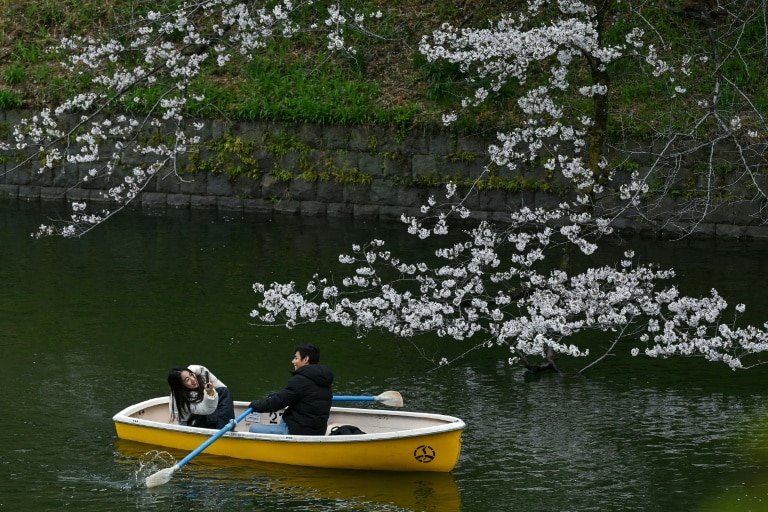
A growing social media movement among Generation Z is actively deconstructing the romanticized digital portrayal of Japan that has captivated millions of international visitors. Dubbed the “Japan effect,” this trend utilizes satirical videos that transform mundane scenes—like ordinary subway rides—into dreamlike Japanese vacation fantasies through anime-style music and rosy filters.
The backlash emerges as Japan experiences unprecedented tourism levels, with 42.7 million arrivals recorded in 2025 despite diplomatic tensions reducing Chinese visitors. Residents of cultural hotspots like Kyoto have expressed mounting frustration with overcrowding and intrusive tourist behavior, while online creators now highlight the disparity between Japan’s curated online image and its complex social reality.
French internet culture analyst Rocky Louzembi, 25, describes this phenomenon as “glazing”—excessive praise that elevates Japanese culture while disparaging one’s own. The trend exposes how simple markers like “Tokyo, Japan” captions with cherry blossom emojis can artificially enhance otherwise ordinary content.
Japanese contributors to social advocacy platform Blossom The Project note the concerning gap between anime-inspired expectations and actual societal challenges. Marketing professional Marika Sato, 29, and graphic designer Maya Kubota, 28, acknowledge appreciation for international interest but express discomfort with hyperbolic claims about Japanese superiority.
Particular scrutiny falls on exaggerated cleanliness narratives, with content creators like The Hitobito demonstrating through experiments that Japan’s streets aren’t impossibly immaculate. The tourism surge has prompted official responses, including the cancellation of a prominent cherry blossom festival due to resident complaints about overtourism.
Waseda University Professor Seio Nakajima attributes Japan’s viral appeal to its cultural emphasis on form and aesthetics, seen in detailed anime backgrounds and meticulous packaging traditions. However, he emphasizes that the curated online vision represents only a partial reality, as actual Japanese society encompasses broader complexities beyond its pristine image.
Despite the critical discourse, many tourists report their experiences match expectations, with visitors like Tatiana Mokeeva from Russia maintaining unwavering enthusiasm for Japanese culture.