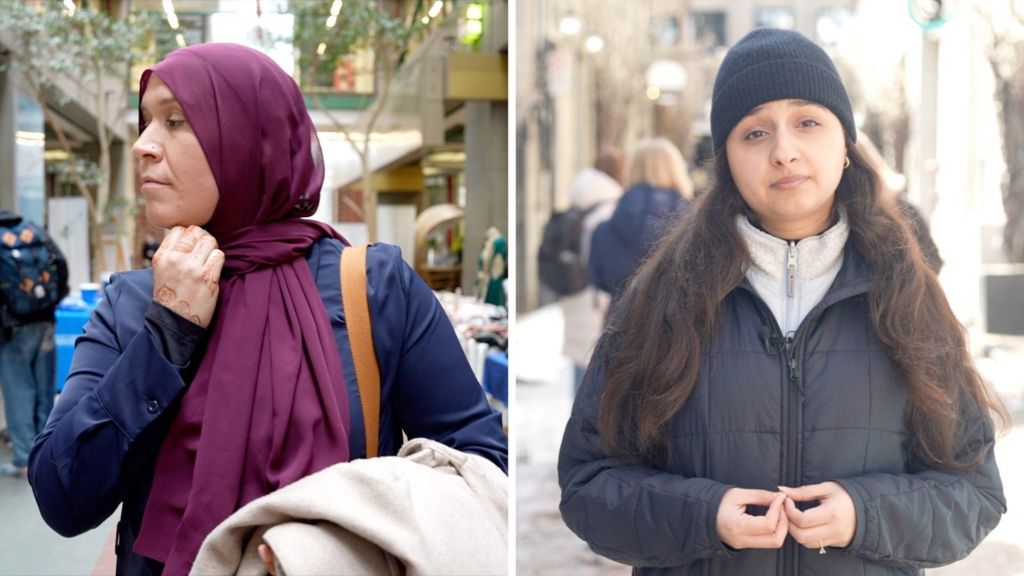
Quebec’s contentious secularism legislation, formally known as Bill 21, has become the subject of a landmark constitutional challenge at the Supreme Court of Canada, sparking intense national debate about religious freedom and state neutrality. The law, which prohibits public servants in positions of authority—including teachers, police officers, and government lawyers—from wearing religious symbols while performing their duties, is facing rigorous judicial examination that could determine its future validity.
At the heart of the legal battle are personal accounts from Muslim women who maintain they have borne the disproportionate burden of the legislation’s implementation. These individuals report being systematically excluded from public sector employment opportunities and educational pathways despite their qualifications, creating what they describe as an invisible barrier to professional participation in Quebec society.
The provincial government defends the legislation as a necessary measure to maintain religious neutrality in public institutions, arguing it represents Quebec’s distinct cultural commitment to laïcité—a form of secularism that separates religion from state affairs. This perspective contends that the law ensures equal treatment of all citizens by eliminating visible religious influence in government services.
Legal experts highlight that the case presents complex constitutional questions regarding the balance between provincial rights and fundamental freedoms protected under Canada’s Charter of Rights and Freedoms. The Supreme Court’s eventual ruling is anticipated to establish significant precedent concerning provincial authority to legislate on matters of religious expression in the public sphere.
The human impact extends beyond immediate employment effects, with community advocates reporting increased social isolation and psychological distress among religious minorities. Educational institutions have simultaneously reported challenges in recruiting and retaining qualified teachers from diverse backgrounds, particularly in subjects already experiencing staffing shortages.
As the judicial process unfolds, the controversy continues to reverberate through Quebec’s social fabric, raising profound questions about integration, diversity, and the meaning of secularism in a pluralistic society. The outcome will likely influence similar legislative initiatives across Canada and potentially redefine the boundaries between religious expression and public service throughout the nation.