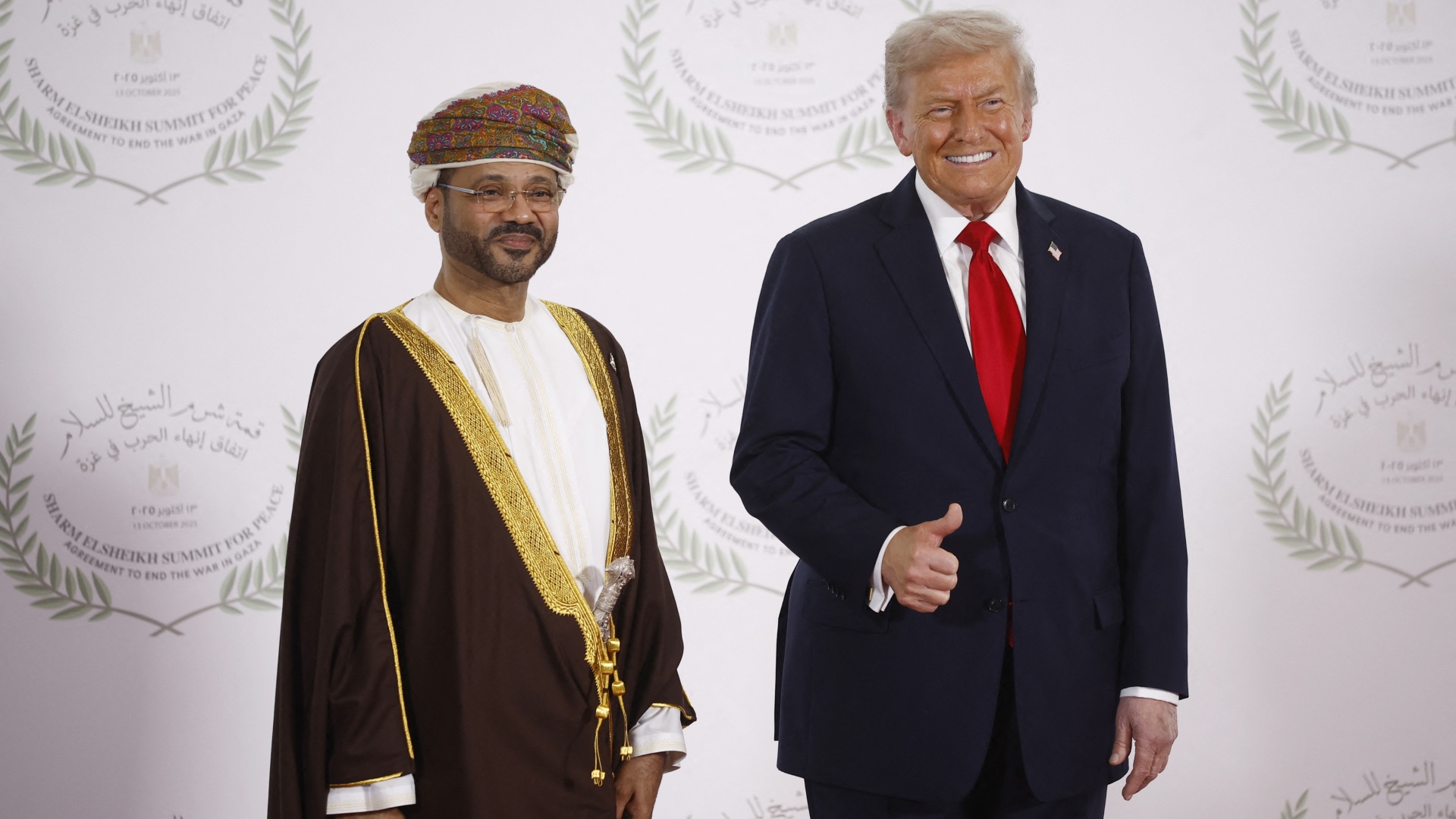
In a significant diplomatic divergence, Oman’s Foreign Minister Badr al-Busaidi has publicly asserted that Iran cannot be held responsible for the ongoing military conflict initiated by the United States and Israel on February 28th. The senior Omani official, who played a pivotal role in mediating US-Iran negotiations until their final hours, made these declarations through his social media channels.
‘Whatever your view of Iran, this war is not of their making,’ Minister al-Busaidi stated emphatically. He further warned that the conflict is generating substantial economic disruptions throughout the region, with conditions likely to deteriorate significantly if hostilities continue. The minister revealed that Oman is actively developing safety protocols for maritime passage through the critically important Strait of Hormuz.
This position marks a dramatic departure from other Gulf Cooperation Council members, including the United Arab Emirates and Saudi Arabia, who have expressed varying degrees of anger toward Tehran following retaliatory strikes that affected regional energy infrastructure and US military assets.
The typically low-profile Omani diplomat has emerged as a visible advocate for diplomatic solutions, traveling to Washington just before the conflict escalation to appear on CBS News and advocate for continued negotiations. He emphasized that Iran had made substantial concessions during diplomatic talks with American representatives.
In a subsequent editorial for The Economist, Minister al-Busaidi characterized Iran’s retaliatory measures as ‘an inevitable, if deeply regrettable and completely unacceptable, result’ of perceived existential threats from the US and Israel. He maintained that Tehran’s leadership faced limited rational options when confronted with what both nations described as a war aimed at terminating the Islamic Republic.
Additional reporting indicates potential shortcomings in the negotiation process, with US mediators reportedly lacking technical expertise to fully comprehend the proposals under discussion. Meanwhile, regional tensions continue to escalate as the UAE has allegedly developed a coordinated media narrative targeting both Saudi Arabia and Oman for their reluctance to confront Iran directly in strategic waterways.
Current casualty estimates indicate over 2,000 Iranian fatalities, alongside 13 American deaths and several dozen Israeli casualties, though official Israeli figures remain undisclosed. The conflict has additionally claimed 60 lives in Iraq and 25 throughout GCC nations, many being expatriates affected by intercepted missile debris.