In a remarkable shift of diplomatic posture, former US President Donald Trump proposed unprecedented cooperation with Iran’s leadership regarding the strategic Strait of Hormuz. Speaking to reporters on Monday, Trump suggested the possibility of joint administration of the critical waterway, stating it could be “jointly controlled. Maybe [by] me. Me and the Ayatollah, whoever the Ayatollah is.
The statement represents a significant departure from previous US policy and could signal a major concession to Tehran regarding influence over the passage through which approximately 20% of global energy supplies transit. While Trump characterized ongoing exchanges as “very good and productive conversations” aimed at concluding hostilities, Iranian officials acknowledged regional efforts to reduce tensions while explicitly denying any direct dialogue with Washington.
Regional diplomats indicate that any US recognition of Iranian influence over the Strait would be welcomed by Tehran. Ironically, the Trump administration had previously lifted sanctions on Iranian oil at sea, ostensibly to alleviate energy price pressures but effectively generating substantial revenue for Iran.
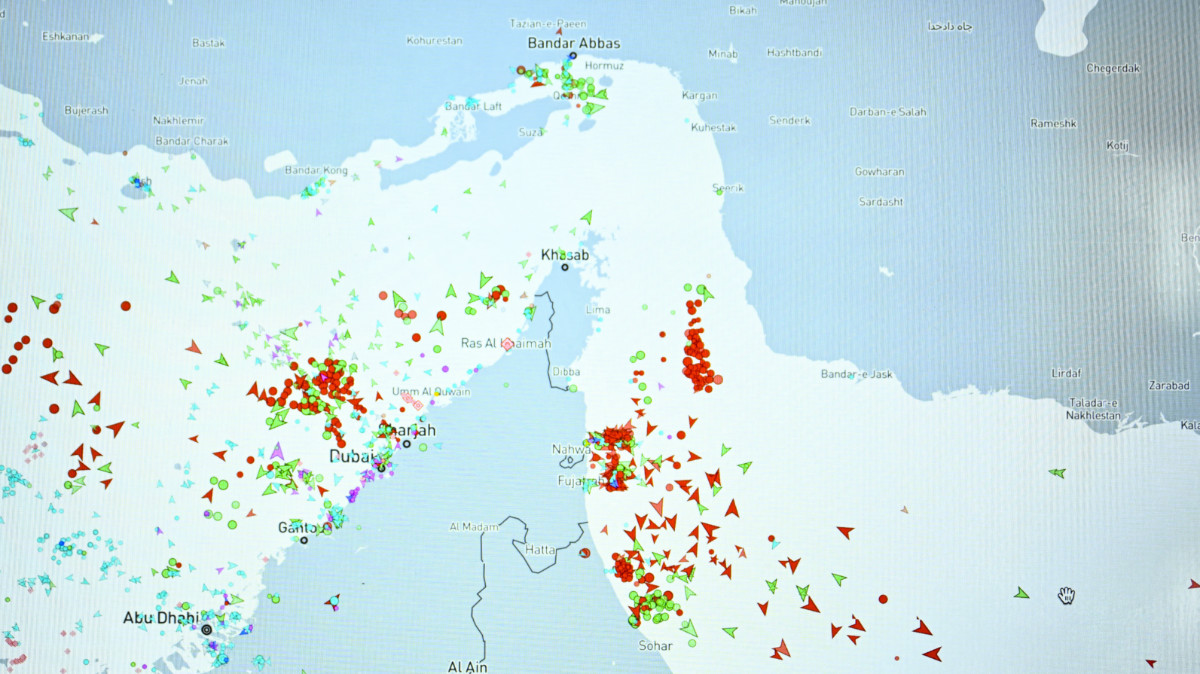
The geopolitical landscape has shifted dramatically since Iran wrested control of the Strait following military confrontations with Israel and the US. This development has profoundly challenged American maritime supremacy, traditionally anchored in its policing of global trade routes. Iran’s assertive control has manifested through military enforcement, with at least 17 vessels attacked in the Gulf since hostilities escalated in late February.
Maritime security analysts report Iran has established a de facto shipping corridor within its territorial waters, with Lloyd’s List documenting Tehran’s sophisticated management of vessel traffic. In one documented instance, Iran secured a $2 million payment for safe passage of a commercial vessel. This control mechanism has effectively created a situation where Western insurers theoretically provide coverage but few ship operators willingly risk their crews or pay exorbitant premiums.
The strategic reversal has left US Gulf partners largely excluded from shipping their energy resources through the waterway, while Iran continues exporting between 1-1.5 million barrels of oil daily. Numerous nations including China, India, Pakistan, Iraq, and Malaysia have engaged Tehran regarding access to the critical sea lane, according to maritime intelligence reports.
Analysts note Iran has implemented a more sophisticated control system than Yemen’s Houthis achieved in the Red Sea, effectively keeping Western-affiliated vessels out of the area while maintaining its own energy exports and generating revenue from safe passage agreements.