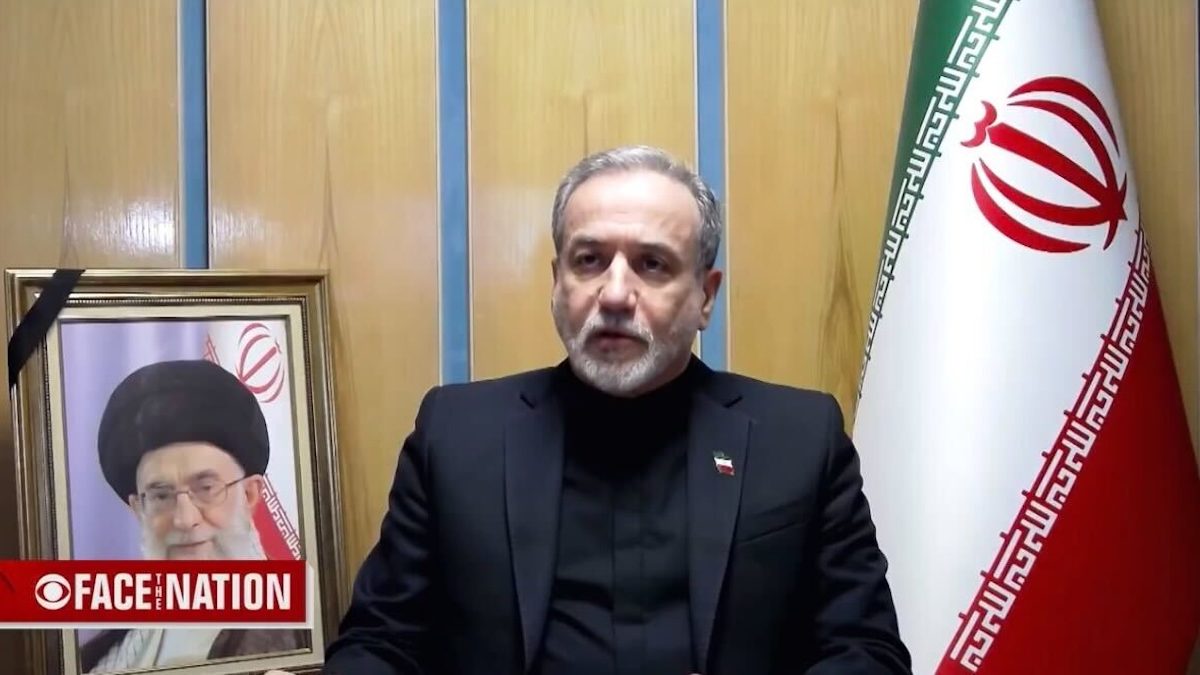
Iran’s Foreign Ministry has categorically rejected U.S. President Donald Trump’s assertion that the two nations are engaged in productive discussions to resolve ongoing hostilities. The diplomatic rebuff follows Trump’s announcement via Truth Social that he had instructed the Pentagon to postpone military strikes against Iranian power plants and energy infrastructure for a five-day period.
According to Iranian news agencies, ministry officials attributed Trump’s decision to Tehran’s explicit threat of proportional retaliation against any U.S. attacks on Iranian energy facilities. This development occurred against the backdrop of Trump’s weekend ultimatum demanding Iran fully reopen the Strait of Hormuz by Monday night, accompanied by threats to ‘obliterate’ Iranian power plants.
Islamic Republic of Iran Broadcasting characterized Trump’s postponement as backing down from his 48-hour deadline, citing apprehension about Iran’s promised response. The semi-official Mehr news agency reported Tehran’s interpretation that Trump’s move represents tactical maneuvering to manage energy prices and buy time for military preparations rather than genuine diplomatic outreach.
Iranian officials maintained there have been no direct or indirect negotiations with the Trump administration regarding conflict resolution. This position contrasts with an Axios report citing anonymous Israeli officials suggesting backchannel communications might be occurring.
The escalation stems from late last month’s U.S.-Israel bombing campaign against Iranian targets, which Tehran says destroyed previous nuclear negotiation progress. Iranian Foreign Minister Abbas Araghchi emphasized last week that while Iran isn’t requesting a ceasefire, the conflict must conclude in a manner that deters future attacks.
U.S. Senator Chris Murphy (D-Conn.) characterized Trump’s announcement as a ‘panicky message to the markets’ rather than genuine diplomacy, noting the president was merely postponing potential war crimes against civilian infrastructure. Jamal Abdi of the National Iranian American Council warned that threatening war crimes severely undermines diplomatic prospects and could trigger devastating regional escalation.