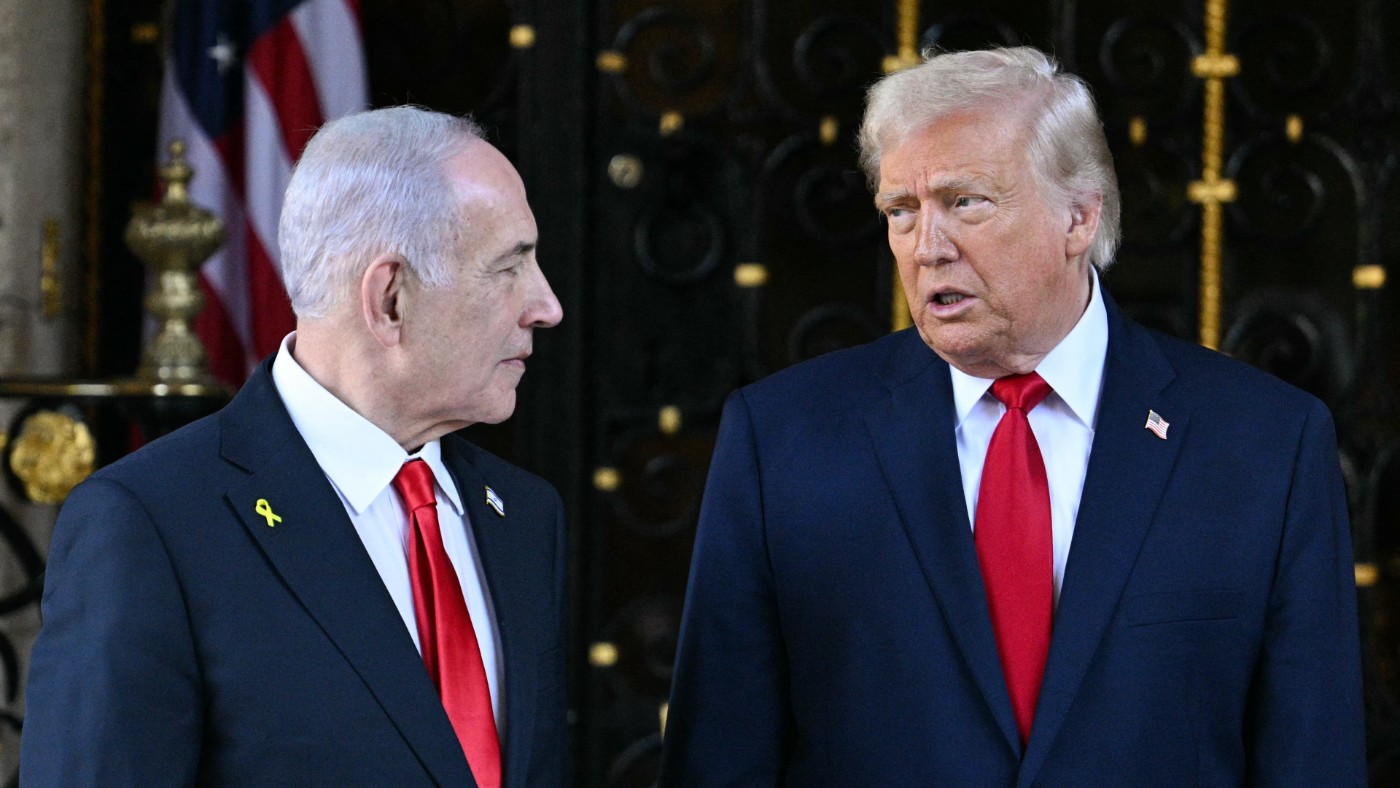
A New York Times investigation has revealed that Israel’s intelligence agency Mossad developed an ambitious plan to trigger mass protests in Iran that would ultimately lead to the collapse of the Iranian government. This covert strategy significantly influenced the initial war planning between the United States and Israel against Iran.
According to the report, which cites interviews with U.S. and Israeli officials, Mossad chief David Barnea presented this proposal to Israeli Prime Minister Benjamin Netanyahu just days before the joint military operation commenced. Barnea reportedly assured Netanyahu that the agency could galvanize Iranian opposition forces to achieve regime change through a carefully orchestrated series of intelligence operations.
The plan envisioned a multi-phase approach beginning with targeted eliminations of Iranian leadership figures, followed by covert intelligence activities designed to spark widespread civil unrest. Mossad operatives believed these operations could catalyze a popular uprising that would deliver a decisive victory for the allied forces without requiring extensive ground operations.
Barnea subsequently presented this proposal to senior U.S. officials during a mid-January visit to Washington. Despite skepticism from some American intelligence officials and analysts within Israel’s own military intelligence agency Aman, the plan gained traction with both Netanyahu and then-President Donald Trump. The Mossad assessment became a key component of Netanyahu’s pitch to convince the White House that collapsing the Iranian government was an achievable objective.
President Trump’s initial public statements reflected this optimism. In an eight-minute video address at the war’s outset, he directly addressed the Iranian people: “Finally, to the great, proud people of Iran, I say tonight that the hour of your freedom is at hand… when we are finished, take over your government. It will be yours to take.”
However, within two weeks of combat operations, the regime change narrative quickly dissipated. U.S. senators emerged from confidential briefings stating that overthrowing the Islamic Republic was not an official war aim, acknowledging there was “no plan” for such an outcome. Intelligence assessments from the CIA contradicted Mossad’s optimistic predictions, warning that eliminating Iranian leadership would likely result in more radical figures assuming power rather than creating a pro-Western revolution.
The Times report concludes that “the belief that Israel and the United States could help instigate widespread revolt was a foundational flaw in the preparations for a war that has spread across the Middle East.” While Israeli intelligence assesses that Iran’s government has been weakened by the conflict, it remains fundamentally intact. Netanyahu has reportedly expressed frustration that Mossad’s promises of popular uprising have failed to materialize, even as he maintains bullish rhetoric about potential ground operations.