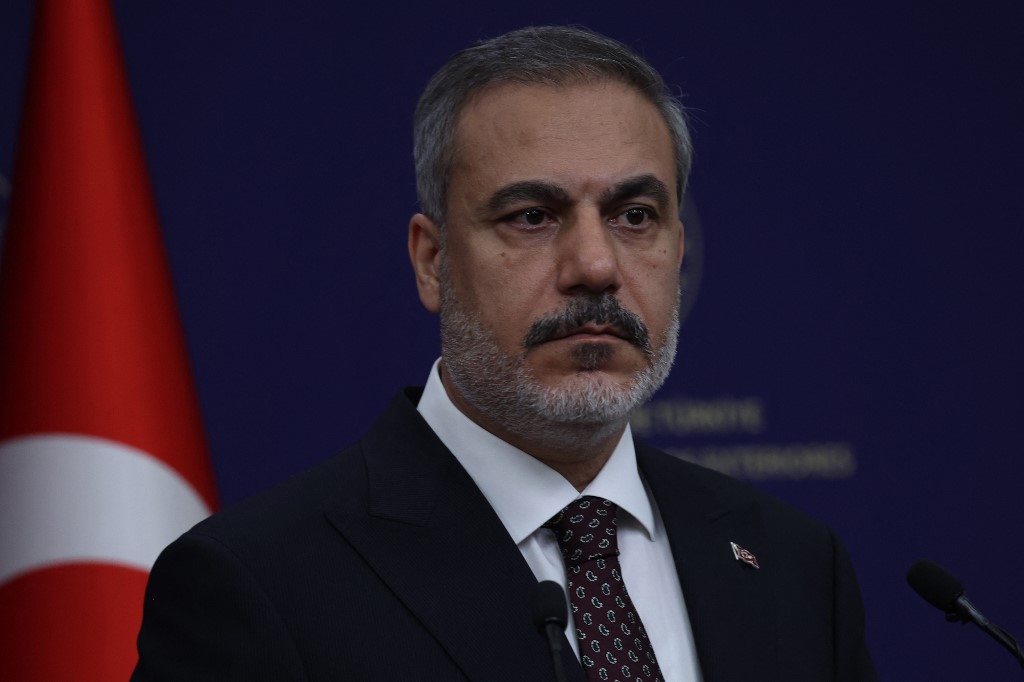
Turkish diplomatic channels have activated intensively to de-escalate mounting tensions between the United States and Iran, with Foreign Minister Hakan Fidan engaging in a comprehensive round of multilateral discussions aimed at establishing negotiation pathways. According to sources within Turkey’s Foreign Ministry, Ankara is pursuing a strategic off-ramp to the conflict through coordinated dialogue with both Western and regional powers.
Throughout Sunday, Minister Fidan conducted a diplomatic marathon, holding separate telephone consultations with counterparts from Iran, Egypt, and several European nations. These discussions focused specifically on developing concrete measures to terminate hostilities. Simultaneously, Fidan engaged senior US officials, potentially including envoys Steven Witkoff and Jared Kushner, followed by additional conversations with diplomatic representatives from Saudi Arabia, Qatar, Iraq, and Pakistan to evaluate conflict resolution initiatives.
Ankara’s proposed solution centers on implementing a temporary ceasefire to create operational space for negotiations. This approach would allow all parties to resume military actions should diplomatic efforts prove unsuccessful. Turkish officials explicitly identified Israel’s potential role as a spoiler in peace efforts, with Fidan noting that Prime Minister Benjamin Netanyahu’s administration appears committed to prolonging hostilities to inflict maximum damage on Iranian infrastructure.
According to sources familiar with Turkey’s mediation strategy, Ankara is constructing a unified regional front combining European, Gulf, and other Middle Eastern actors to counterbalance Israeli influence. This initiative gains urgency following Iranian threats against critical Gulf energy infrastructure and desalination plants, which have heightened security concerns across the region.
The negotiation framework faces significant challenges, particularly regarding Gulf states’ insistence on preventing future Iranian control over the Strait of Hormuz. Meanwhile, Iran’s primary demands include security guarantees against additional attacks and financial compensation for wartime losses. One potential solution involves permitting Iran access to revenue from its oil trade, facilitated by the Trump administration’s recent sanctions relief on 140 million barrels of Iranian crude valued at approximately $14 billion.
Despite these diplomatic efforts, Ankara insiders express skepticism about achieving a comprehensive agreement, citing Israel’s apparent commitment to its ‘mowing the lawn’ strategy of periodic military strikes against Iranian capabilities. Additional complications include President Trump’s demand for zero Iranian nuclear enrichment and the question of negotiation venues, with Washington having dismissed Oman as a viable location. Russia has emerged as a potential guarantor for future negotiations, given its maintained relationships with all involved parties including Iran, Israel, the UAE, and Saudi Arabia.