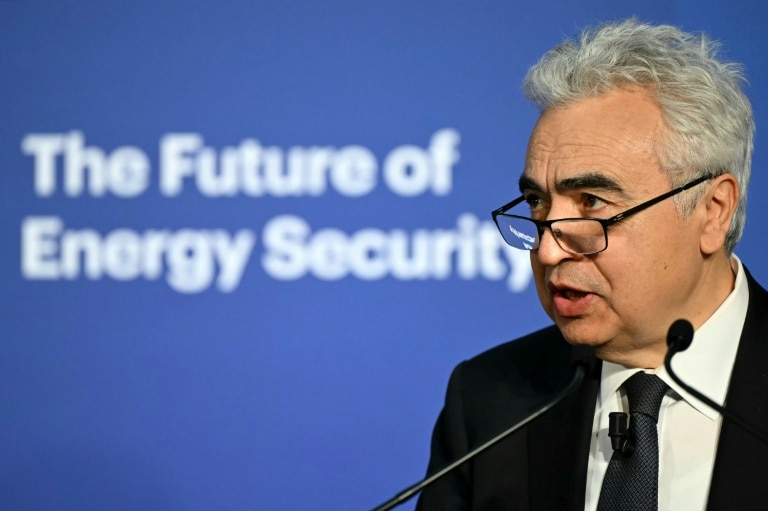
The head of the International Energy Agency (IEA) has issued a stark warning that the global economy confronts a severe threat from the escalating energy crisis triggered by Middle East conflicts. Speaking at the National Press Club in Canberra, Australia, on Monday, IEA Executive Director Fatih Birol drew alarming parallels between the current situation and historic energy shocks, including the 1970s oil crises and the market disruption following Russia’s 2022 invasion of Ukraine.
Birol characterized the present crisis as particularly severe, describing it as the equivalent of “two oil crises and one gas crash combined.” He emphasized that no nation would remain immune to the economic repercussions if the situation continues deteriorating. The crisis centers on the strategic Strait of Hormuz, where recent hostilities have severely restricted maritime traffic through this critical chokepoint for global energy supplies.
The bottleneck has nearly halted petroleum shipments through the narrow waterway, which typically handles approximately 20% of global oil and gas transit. This disruption has already triggered significant market reactions, with US benchmark crude prices briefly reaching $100 per barrel in early Monday trading.
According to Birol’s assessment, at least forty energy infrastructure assets across the region have sustained severe or very severe damage during the ongoing conflict. The IEA chief called for urgent global cooperation to address the escalating situation, expressing hope for a swift resolution to prevent further economic damage worldwide.