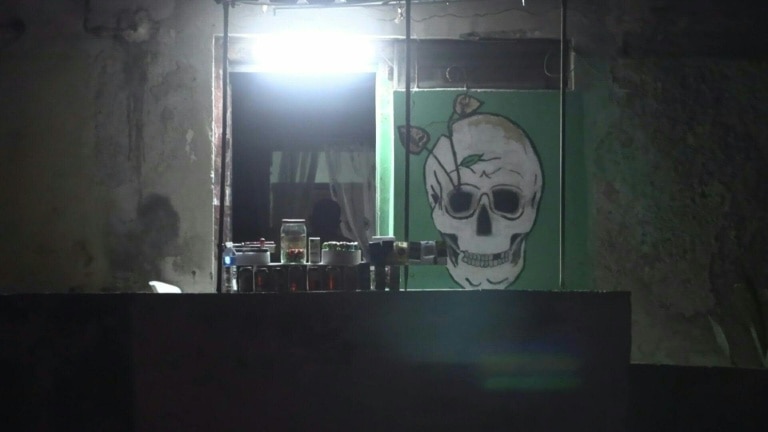
Cuba’s fragile electrical infrastructure succumbed to its second nationwide blackout within a week on Sunday, plunging nearly 10 million citizens into darkness before authorities initiated gradual restoration efforts. The island’s aging power grid, crippled by decades of underinvestment and recently intensified by a de facto US oil embargo, continues to deteriorate amid growing geopolitical tensions.
By Sunday afternoon, two-thirds of Havana had regained electricity according to local providers, while the state-owned Electric Union of Cuba reported reconnection progress stretching from Pinar del Rio in the west to Santiago de Cuba in the east. Two provinces remained offline as technicians battled systemic vulnerabilities that have triggered seven nationwide blackouts since January 2024.
The crisis unfolds against escalating diplomatic friction with the United States. President Donald Trump’s administration imposed stringent oil restrictions in January while openly speculating about ‘taking’ the Caribbean nation. Cuban Deputy Foreign Minister Carlos Fernandez de Cossio, in a pre-blackout interview with NBC’s Meet the Press, revealed military preparations for potential aggression while maintaining Havana’s willingness for diplomatic engagement—though explicitly excluding discussions about political system changes.
Daily life has become increasingly unbearable for ordinary Cubans. Nurse Alina Quinones, 48, described the impossibility of contacting relatives without internet or phone service, while 79-year-old retiree Francisco Gonzalez recounted sleepless nights waiting for power restoration. These hardships compound existing shortages of food, medicine, and basic commodities, sparking rare acts of civil disobedience including nocturnal pot-banging protests and last weekend’s vandalism of a Communist Party provincial office.
The energy crisis intensified dramatically after Venezuela—Cuba’s primary oil supplier—faced its own political turmoil in January. No fuel shipments have reached Cuban shores since January 9, crippling not only power generation but also public transportation and the vital tourism industry. Although international aid convoys have begun delivering medical supplies, food, and solar panels, authorities emphasize that conventional fuel remains urgently needed for decades-old thermoelectric plants.
Fernandez de Cossio characterized the situation as ‘very severe’ while expressing hope that ‘this boycott cannot be sustained forever.’ The latest blackout originated from a generating unit failure at an aging thermoelectric facility, triggering catastrophic domino effects across the fragile grid system.