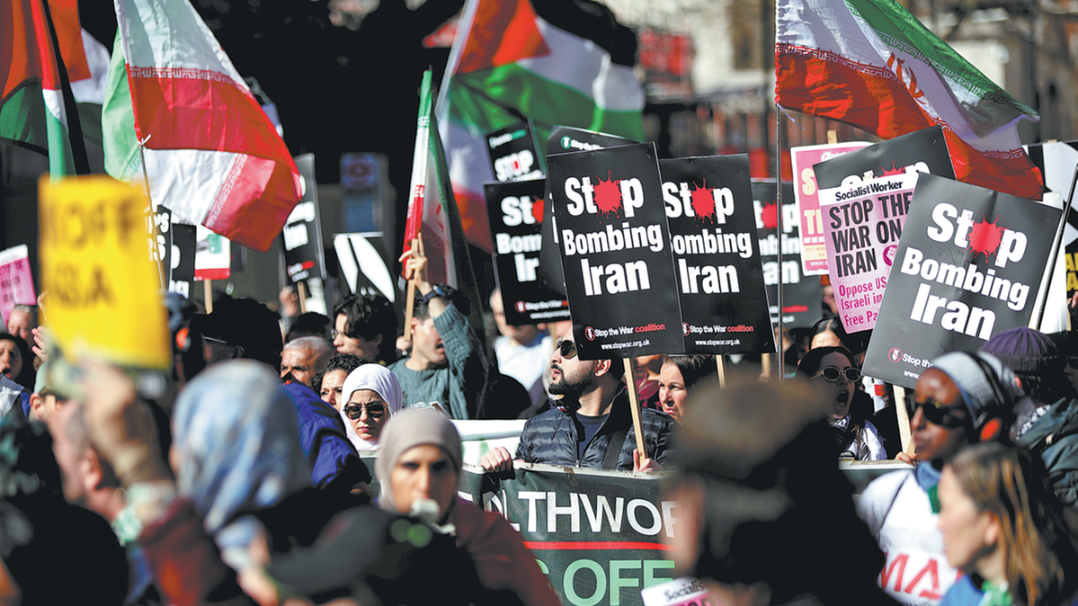
The Middle East conflict entered a perilous new phase as US President Donald Trump issued a 48-hour ultimatum threatening to destroy Iran’s power plants unless the Strait of Hormuz is fully reopened. The dramatic threat, delivered via social media on Saturday, represents a stark reversal from previous statements about de-escalating hostilities.
Iran responded swiftly with a counter-threat through Ebrahim Zolfaghari, spokesman for Iran’s Khatam al-Anbiya Central Headquarters, warning that any attack on Iranian energy facilities would trigger retaliatory strikes against US and Israeli infrastructure targets. The semiofficial Tasnim News Agency reported that energy, information technology, and desalination facilities would be prioritized in such retaliation.
The strategic Strait of Hormuz, connecting the Persian Gulf to the Indian Ocean, remains effectively closed to commercial shipping due to ongoing attacks and threats. This critical waterway normally handles approximately one-fifth of global oil shipments, and its closure has already impacted global energy markets and food prices worldwide.
Despite the hostilities, Iran’s representative to the International Maritime Organization, Ali Mousavi, indicated that ships could transit the strait with prior coordination with Iranian authorities, excluding vessels from “enemy” nations. Mousavi emphasized Tehran’s commitment to diplomatic solutions while maintaining that respect for Iran’s territorial integrity remains paramount.
The conflict has intensified militarily with US-Israeli strikes targeting multiple Iranian locations including Tehran, Karaj, Isfahan, and the nuclear facility at Natanz. Pirhossein Kolivand of the Iranian Red Crescent Society reported that over 80,000 civilian locations, including schools and medical centers, have been damaged since hostilities began.
International concern mounted as IAEA Director General Rafael Grossi reiterated calls for military restraint to prevent potential nuclear accidents. The UN nuclear agency confirmed bombing damage at Iran’s Natanz enrichment facility—the fourth such attack on nuclear sites since the conflict began—though no radiation leaks were detected.
The human toll continued to rise with nearly 200 injuries reported from Iranian strikes on southern Israeli cities. Israel responded by closing schools and banning large gatherings in affected regions while Prime Minister Benjamin Netanyahu vowed continued strikes against “enemies on all fronts.
Diplomatic relations further deteriorated as Saudi Arabia declared Iranian military officials and embassy staff personae non gratae, ordering their expulsion within 24 hours. The Saudi Foreign Ministry cited repeated violations of sovereignty and international agreements in its decision.