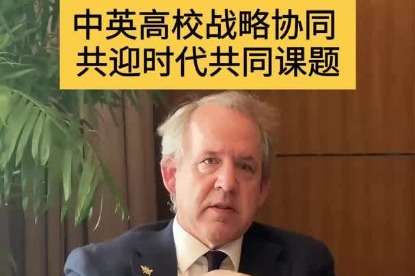
In a significant development for international academic cooperation, University of Manchester President Duncan Ivison has identified strong strategic alignment between China’s ambitious 2035 education blueprint and the institutional objectives of leading foreign universities. This convergence, according to Ivison, creates substantial opportunities for enhanced global partnerships in higher education.
During his recent comprehensive tour of China, which included stops in Beijing and Shanghai, the university leader engaged with top academic institutions including Peking University, Tsinghua University, Shanghai Jiao Tong University, and Fudan University. The visit coincided with the inaugural University of Manchester graduation ceremony held in Shanghai, symbolizing the deepening educational ties between the UK and China.
Ivison characterized Chinese university presidents as ‘exceptionally open to collaboration,’ noting that partnership development constitutes a fundamental component of his institution’s strategic direction. The alignment comes as China accelerates efforts to establish itself as a premier global education hub with considerable international influence by 2035—a vision articulated last year by Education Minister Huai Jinpeng.
‘We perceive tremendous potential for collaborative work on pressing global challenges,’ Ivison stated. ‘The Chinese government’s articulated vision for its universities demonstrates remarkable congruence with our institutional goals, while the UK government simultaneously encourages our contributions to addressing national challenges. This creates a clear synergistic relationship between these complementary ambitions.’
Beyond formal university meetings, Ivison’s itinerary included engagements with alumni networks, philanthropic donors, and established institutional partners, underscoring the multifaceted nature of international educational cooperation. This development signals growing momentum in UK-China academic relations at the institutional level, potentially paving the way for expanded research collaborations, student exchange programs, and joint initiatives addressing complex global issues.