The International Criminal Court (ICC) confronts an unprecedented institutional crisis following its 2024 issuance of arrest warrants for Israeli Prime Minister Benjamin Netanyahu and Defense Minister Yoav Gallant. This judicial action triggered a coordinated campaign of financial sanctions and visa restrictions from both Israel and the United States, targeting the court’s leadership and personnel in what experts describe as an existential threat to international justice mechanisms.
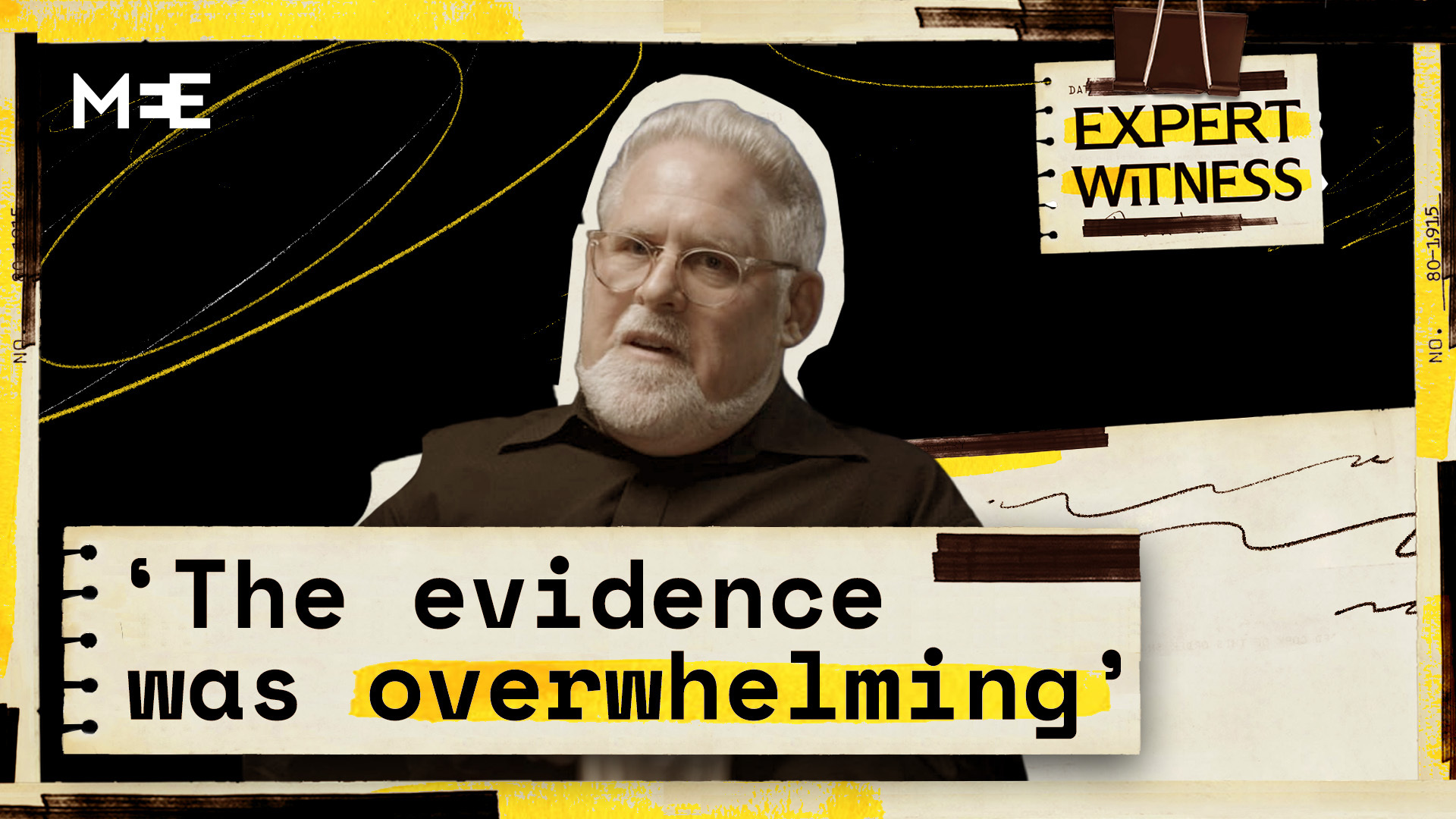
According to ICC specialist Professor Kevin Jon Heller of the University of Copenhagen’s Centre for Military Studies, the current sanctions represent the most severe challenge in the court’s history. Since February 2025, the Trump administration has imposed sanctions against Chief Prosecutor Karim Khan, his deputies, nine judges, the UN’s Palestine rapporteur, and three Palestinian NGOs connected to the investigation.
The legal pathway to these warrants spanned 15 years of complex jurisdictional battles, beginning with Palestine’s 2015 accession to the Rome Statute. Heller detailed how successive prosecutors navigated political pressures and legal hurdles, with current prosecutor Khan inheriting an investigation with zero dedicated staff or budget in 2021. Despite these constraints, Khan prioritized the Palestine investigation years before the October 7 attacks, reallocating resources from other cases to advance the inquiry.
The investigation employed groundbreaking methodologies including artificial intelligence analysis of open-source evidence, satellite imagery, encrypted witness submissions, and incriminating statements from suspects themselves. An unprecedented external expert panel provided independent validation of evidence, strengthening the warrant applications that ultimately received unanimous judicial approval for approximately 95% of requested charges.
Israel has mounted three legal challenges attempting to invalidate the warrants, including jurisdictional arguments and claims of prosecutor bias. Heller characterizes these as legally weak, particularly the attempt to disqualify Khan, noting the prosecutor had already voluntarily stepped aside months earlier pending unrelated misconduct investigations.
The current crisis echoes historical tensions between the US and ICC, which Heller attributes to American unwillingness to subject its citizens to international jurisdiction. While the US supported court actions against adversaries like Sudan’s Omar al-Bashir and Russia’s Vladimir Putin, investigations involving American allies or potential US personnel triggers aggressive opposition.
The prospect of institutional sanctions against the court itself represents a “doomsday scenario” that could cripple basic operations including electricity, water, and internet services. Heller suggests the ICC’s survival would depend on member states providing extraordinary support, though he maintains that domestic courts using universal jurisdiction represent the future of international criminal justice rather than the politically constrained international system.