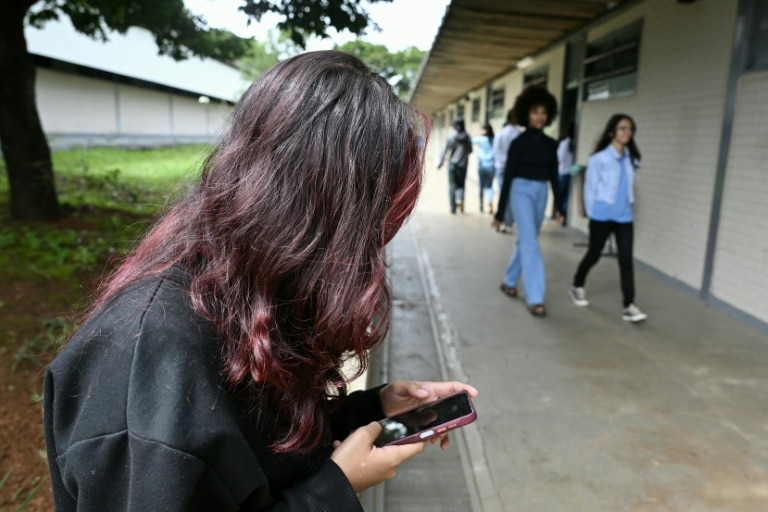
Brazil has initiated sweeping regulatory measures to safeguard minors across digital platforms, implementing one of the world’s most comprehensive youth protection laws this week. The legislation mandates stringent age verification protocols and establishes new accountability standards for technology companies operating within the hyper-connected nation of 212 million people.
The groundbreaking regulations emerged following congressional approval last year, prompted by disturbing revelations of alleged sexual exploitation cases involving minors on Instagram. The new framework prohibits self-declaration as a valid age verification method, which authorities have deemed fundamentally ineffective for protecting young users.
Under the provisions now in effect, Brazilian adolescents under 16 must link their social media accounts to those of legal guardians. Digital platforms face mandatory requirements to implement reliable age verification systems that prevent minors under 18 from accessing prohibited content including pornography and violent material. While technical implementation details remain under development, the National Data Protection Authority (ANPD) has indicated a preference for identity document submission combined with biometric photo verification as the primary authentication method.
The legislation extends beyond access restrictions to encompass broader protective measures. Platforms must immediately remove content depicting sexual exploitation or abuse and notify Brazilian authorities. The law additionally prohibits targeted advertising toward children and adolescents and bans ‘loot boxes’—controversial video game features that offer randomized rewards through monetary transactions.
Non-compliant companies face severe penalties including fines reaching 50 million reais (approximately $9 million USD), account suspensions, and potentially complete platform bans for repeated violations. Professor Renata Tomaz of the Getulio Vargas Foundation notes that Brazil’s approach distinguishes itself by regulating the entire internet ecosystem rather than focusing exclusively on social media platforms.
The ANPD has commenced a transitional period to finalize technical specifications while engaging technology companies to review compliance proposals. This positioning establishes Brazil alongside Australia and other nations implementing aggressive measures to protect minors from addictive algorithms and harmful online content.