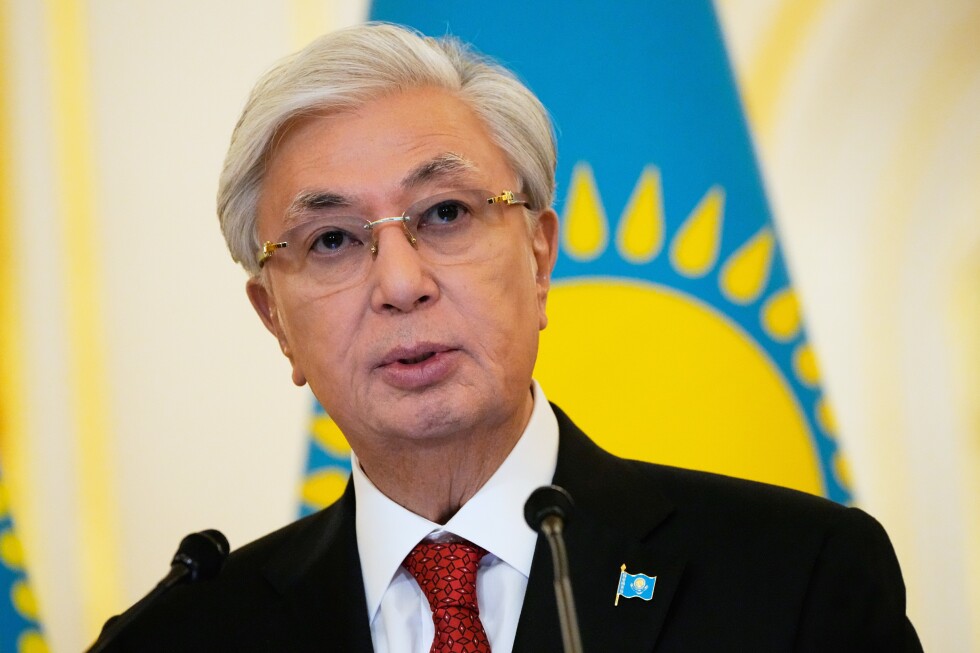
Citizens of Kazakhstan are participating in a national referendum this Sunday to determine the fate of significant constitutional amendments that would substantially reshape the nation’s political landscape. The proposed changes, championed by President Kassym-Jomart Tokayev, represent the second major constitutional overhaul in just four years.
The central provisions of the referendum include consolidating the parliament’s two chambers into a single legislative body and granting the president expanded authority to appoint all government officials. The reforms also reintroduce the position of vice-president, further concentrating executive power within the presidential administration.
President Tokayev, a 72-year-old former Soviet official and Kazakh diplomat with prior service at the United Nations, has framed these constitutional modifications as necessary measures to enhance governmental efficiency. He argues that in an era of rapid global transformation, Kazakhstan requires streamlined decision-making processes to respond effectively to emerging challenges.
However, political analysts monitoring Central Asian affairs suggest these reforms may serve a more strategic purpose. The current constitution limits President Tokayev to a single seven-year term ending in 2029. Experts including Temur Umarov, a fellow at the Carnegie Russia Eurasia Center, contend that the referendum could potentially reset presidential term limits, creating a constitutional loophole that would enable Tokayev to seek reelection beyond his mandated term.
The outcome of this referendum will determine whether Central Asia’s largest nation moves toward a more centralized power structure, with implications for both domestic governance and Kazakhstan’s positioning within the complex geopolitical landscape of the region.