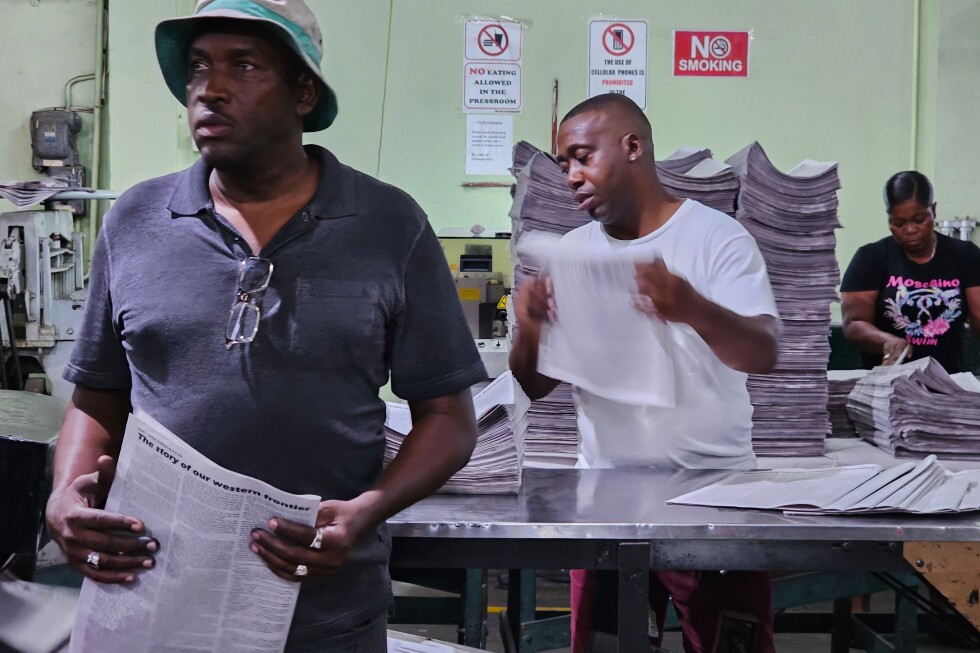
SAN JOSÉ, Costa Rica (AP) — The Caribbean media landscape is undergoing a profound transformation as longstanding newspapers collapse under the weight of digital disruption. Two iconic publications—Guyana’s Stabroek News and Trinidad and Tobago’s Newsday—have ceased operations this year, signaling a critical juncture for press freedom and democratic discourse in the region.
The closures represent more than business failures—they signify the erosion of institutional knowledge and independent journalism that has guided Caribbean democracies through pivotal moments. Stabroek News, established in 1986 during Guyana’s authoritarian period, printed its final edition after 38 years of operation. Meanwhile, Newsday terminated both print and digital publications in January after three decades of service.
Media experts identify a convergence of challenges: catastrophic advertising revenue declines, changing consumption patterns, and the overwhelming dominance of social media platforms. For generations like 32-year-old Carlon Augustus of Trinidad and Tobago, real-time social media updates have replaced the ritual of daily newspaper reading. “Everything is on social media now. Whatever happens today, you don’t have to wait to get the papers tomorrow,” Augustus noted.
The impact extends beyond convenience. These independently owned newspapers provided essential platforms for democratic discourse—particularly Stabroek News, which became renowned for its op-ed sections featuring literary giants and its letters page that served as “an informal national meeting place” where citizens debated matters of public importance as equals.
Kiran Maharaj, president of the Media Institute of the Caribbean, emphasized the gravity of these losses: “You have now a narrowing of that [media diversity],” she stated, noting these publications’ resistance to influence from advertisers or political interests.
The financial realities proved insurmountable. Daily News Limited, Newsday’s publisher, cited a 75% drop in print advertising over the past decade. Despite attempts to establish digital operations in 2018, the transition proved insufficient. Stabroek News faced additional challenges, including substantial unpaid government advertising debts exceeding $90 million.
Former Newsday editor-in-chief Judy Raymond reflected on the broader implications: “That is definitely a loss to the country, to our democracy, where particularly in this age of social media, credible professional media houses are needed more than ever.”
As the Caribbean navigates complex issues including corruption allegations and resource management controversies, the disappearance of these journalistic institutions leaves a void in democratic accountability—raising urgent questions about the future of credible information ecosystems in the region.