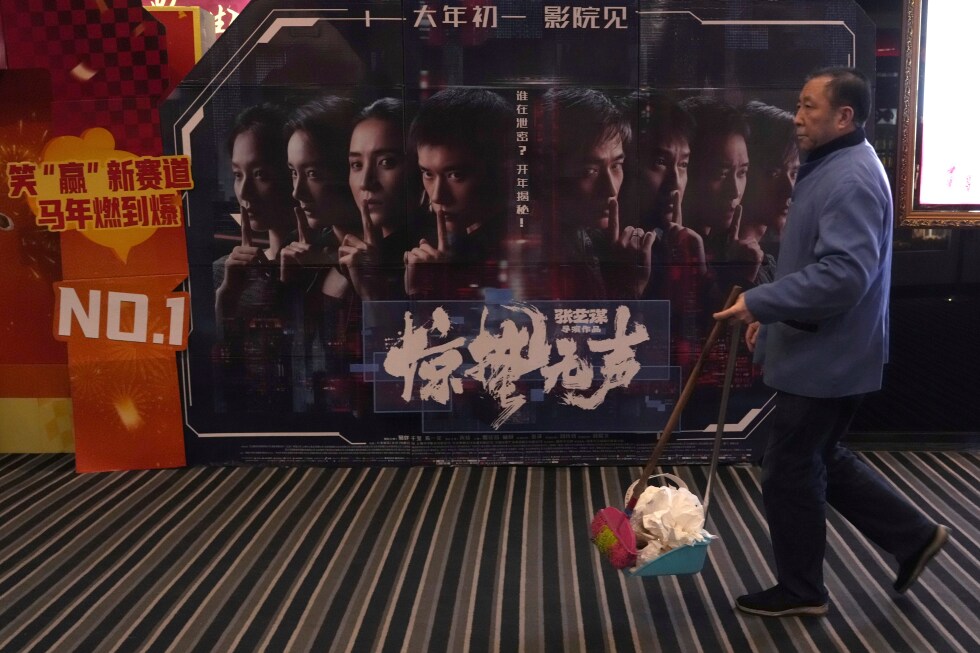
In an unprecedented move, China’s traditionally secretive Ministry of State Security (MSS) has entered the world of cinematic storytelling with its officially endorsed spy thriller ‘Scare Out.’ Directed by Oscar-nominated filmmaker Zhang Yimou, the film represents a significant departure from the agency’s conventional opacity, marking the first motion picture to receive direct support from China’s intelligence apparatus.
The high-octane production features dramatic sequences including drone-assisted pursuits through Shenzhen’s glass-walled skyscrapers, showcasing sophisticated intelligence operations against espionage threats. Starring acclaimed actors Jackson Yee and Zhu Yilong, the narrative centers on hunting a mole within China’s intelligence service who leaks classified information about a new fighter jet.
This cinematic project forms part of MSS’s broader strategy toward public engagement, transitioning from complete secrecy to controlled transparency. The ministry, which established its social media presence just two years ago, has increasingly utilized platforms like WeChat to share educational content, including real case studies, comics, and mini-films about national security.
According to security experts, the film represents a sophisticated effort to mobilize public support for national security initiatives. ‘It wants to build public and popular support to encourage people to share information,’ observed Sheena Greitens, associate professor at the University of Texas at Austin, noting the agency’s attempt to make national security ‘entertaining and fun to support.’
The production benefited from direct MSS involvement, with state security officers accompanying the filming process to ensure authenticity. Zhang emphasized in a People’s Daily op-ed that this guidance was crucial for achieving realism in depicting intelligence operations.
Since its February 17 release coinciding with Chinese New Year, the film has achieved substantial commercial success, generating 1.1 billion yuan ($160 million) within two weeks and receiving international screenings in the U.S., Canada, and Australia. Audience responses have varied from unexpected enjoyment to appreciation for its patriotic educational value compared to traditional lectures.
The release coincides with heightened intelligence tensions, particularly as the CIA has recently circulated Mandarin-language recruitment videos targeting Chinese officials. China’s Ministry of Foreign Affairs has condemned these efforts, pledging to prevent foreign infiltration attempts.