The Australian energy sector is confronting a severe fuel supply crisis that has disproportionately impacted regional and rural communities, sparking intense political confrontation. Energy Minister Chris Bowen finds himself at the center of a storm of criticism from opposition figures who accuse his administration of inadequate response measures.
During a Sydney press conference, Minister Bowen characterized the situation as ‘unacceptable,’ particularly highlighting the severe challenges facing agricultural operations. He revealed current national fuel reserves stand at 1.6 billion liters of petrol (37-day supply), 2.7 billion liters of diesel (30-day supply), and 800 million liters of jet fuel (29-day supply). The minister attributed the crisis to unprecedented demand surges, reporting 100% increased consumption across all Australian terminals.
In a significant policy move, the government authorized the release of portions from its strategic diesel reserves following careful deliberation. Minister Bowen offered reassurances regarding national fuel security, emphatically stating that no refineries would cease operations under the current administration.
The political opposition launched scathing critiques, with energy spokesman Dan Tehan accusing the minister of complacency and delayed action. Tehan asserted that Bowen relied excessively on state-level information gathering rather than proactive federal intervention. The opposition demands immediate prioritization of distribution to affected regions and comprehensive price stabilization measures.
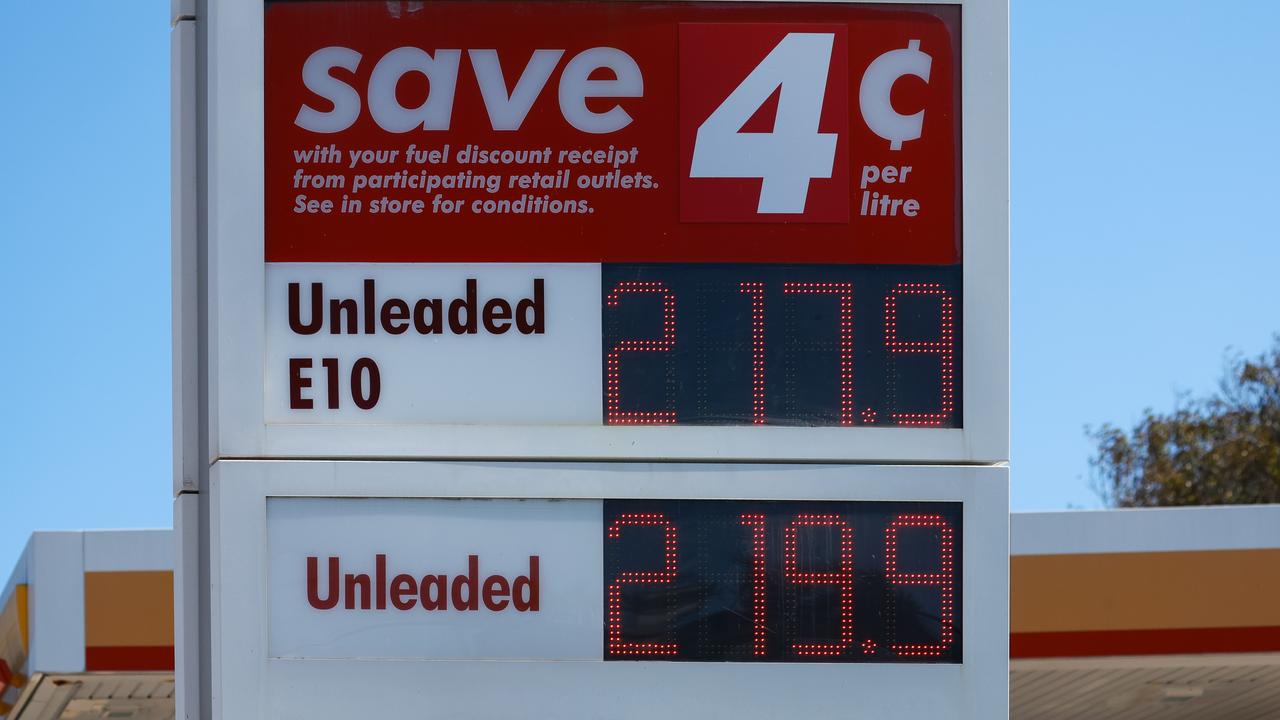
Global market disruptions stemming from Middle Eastern conflicts have exacerbated domestic challenges, driving petrol prices toward unprecedented $3 per liter thresholds. South Australia’s Royal Automobile Association documented record diesel prices reaching $2.46 per liter, with some retailers charging $2.49.
In response to mounting pressure, the federal government announced temporary relaxation of fuel standards to facilitate importation of an additional 100 million liters. Industry representatives simultaneously urge consumers to avoid panic buying, emphasizing that systemic supply remains adequate despite isolated shortages.