The United States’ military engagement against Iran is generating profound consequences for global security frameworks, triggering what experts characterize as the most significant drain on American superpower capabilities since the Cold War era. According to multiple analyses, the conflict has compelled Washington to redeploy critical defense assets from East Asia and Europe to the Middle East, creating security vulnerabilities across multiple theaters.
The ongoing campaign, now entering its third week, has demonstrated Iran’s vulnerability to aerial bombardment yet failed to achieve strategic objectives. Despite claims of striking 6,000 targets and eliminating Supreme Leader Ayatollah Ali Khamenei, the anticipated popular uprising against Tehran’s leadership has not materialized. Instead, Mojtaba Khamenei has assumed leadership while Iranian officials publicly demonstrate confidence amidst the attacks.
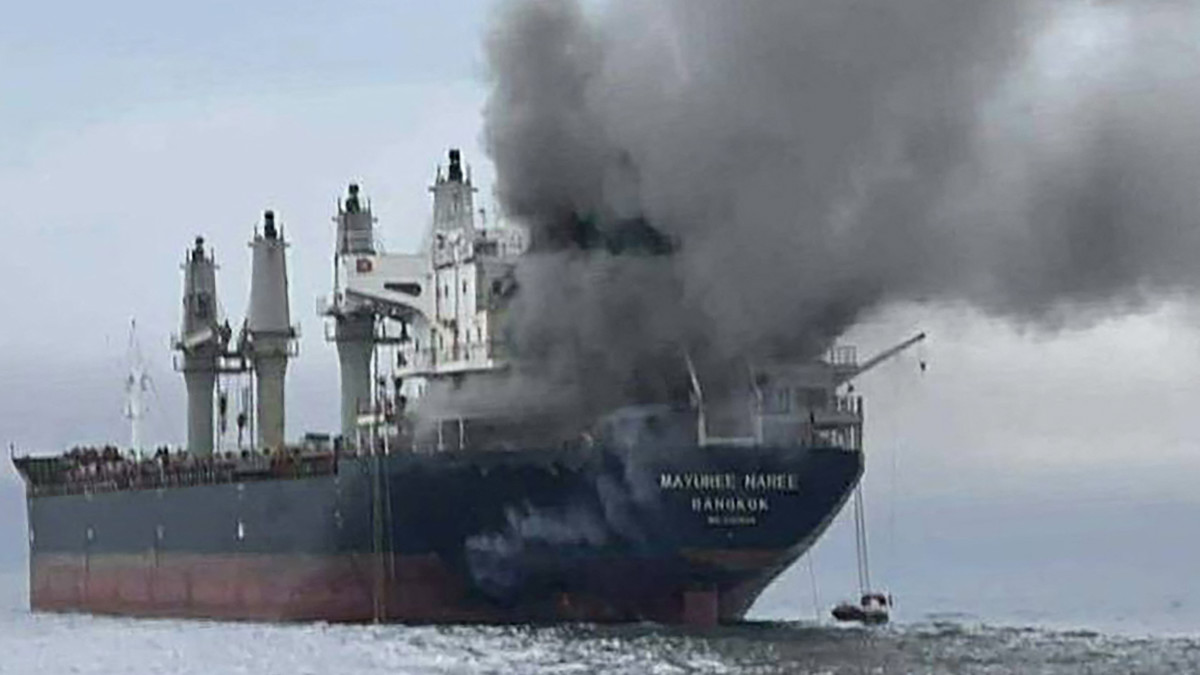
Iran continues to project power through drone assaults on regional capitals and strategic maritime attacks, with at least six vessels targeted in the Strait of Hormuz this week alone. These operations persist despite relentless aerial bombardment and decades-long sanctions, highlighting the Islamic Republic’s resilience.
Academic experts draw historical parallels to the 1956 Suez Crisis, noting similar patterns of imperial overreach. Professor Fawaz Gerges of the London School of Economics observes: ‘There is no superpower to replace the Americans, unlike how the French and British were sidelined.’ However, key differences emerge as Russia and China provide military support to Iran, though experts suggest they remain limited to regional spoiler roles.
The security realignment extends beyond the Middle East. South Korea faces renewed tensions as the US relocates THAAD missile-defense systems to the Persian Gulf, raising questions about American commitment to Asian allies. Similarly, European NATO members contribute air defense systems to Middle East operations, creating new vulnerabilities amid Russia’s ongoing war in Ukraine.
Gulf states previously reliant on US protection now pursue security diversification through agreements with Pakistan, Turkey, and China. Professor Peter Frankopan of Oxford University notes: ‘Across the Gulf, I hear threats to turn to China for security systems. The US is an enormous economy with innovative opportunities, but in football terms, this looks like an own goal.’
The economic dimension compounds strategic concerns, with the Trump administration rolling back Russian oil sanctions to address energy price surges. European nations, heavily dependent on Gulf refineries after sanctioning Russia, face particular vulnerability to Hormuz closures. Notably, France and Italy have initiated direct negotiations with Iran to secure energy passage, while India pursues similar bilateral arrangements—developments that signal erosion of American maritime supremacy.
As Ian Lesser of the German Marshall Fund notes: ‘The very fact that there is debate over whether ties with the US are an asset or liability is disturbing.’ This conflict appears to be accelerating the transition toward a more chaotic, multipolar world order.