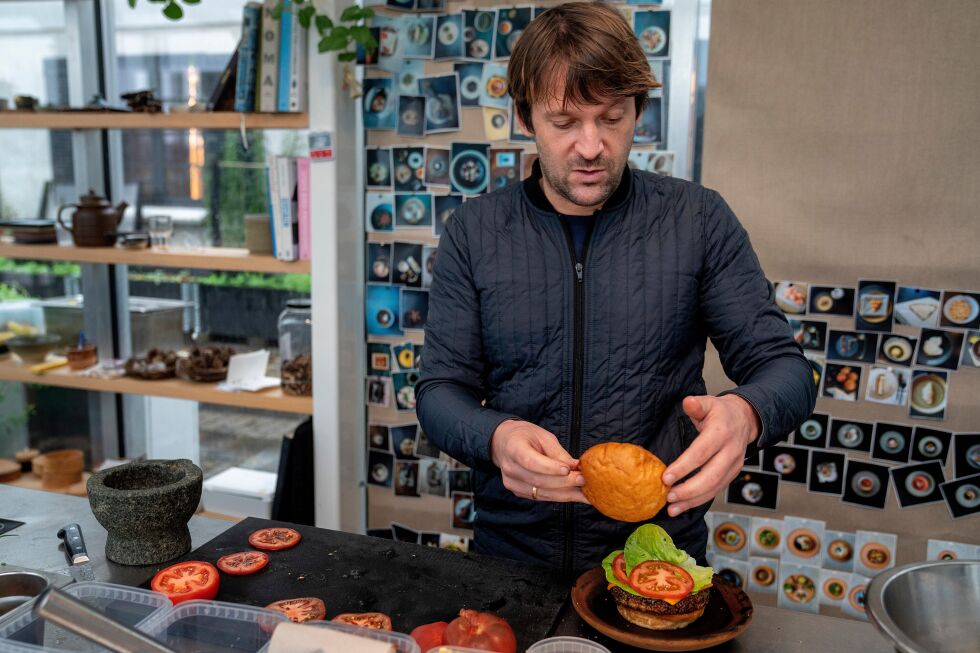
COPENHAGEN, Denmark — The gastronomic world was shaken this week as René Redzepi, the visionary chef behind Copenhagen’s revolutionary Noma restaurant, announced his resignation following escalating allegations of systemic workplace abuse and assault. The departure marks a dramatic fall for the culinary innovator whose New Nordic cuisine earned three Michelin stars and transformed Denmark’s culinary reputation globally.
The controversy reached critical mass when The New York Times published an investigative piece featuring testimonies from 35 former employees detailing years of verbal abuse and physical assault allegedly perpetrated by Redzepi and his management team. These accounts, corroborated by Instagram posts from former fermentation lab head Jason Ignacio White, describe a toxic environment where staff faced punched during service, psychological trauma, and career-ending anxiety.
Redzepi’s tearful Instagram video apology acknowledged his responsibility while conceding that changes implemented in recent years “do not repair the past.” The timing proved particularly damaging, coinciding with the launch of Noma’s $1,500-per-meal pop-up in Los Angeles, which subsequently lost key sponsors and attracted protesters.
Industry analysts suggest Redzepi’s departure was necessary for the restaurant’s survival. “René Redzepi is the face of Noma, he is Noma,” stated Kristoffer Dahy Ernst, editor-in-chief of Danish food magazine Gastro. “To solve the huge problem, you must remove the source.”
The case has sparked broader conversations about power dynamics in fine dining. Nick Curtin, executive chef of Copenhagen’s Michelin-starred Alouette restaurant, criticized the industry’s tolerance for abuse: “It’s long overdue that we get rid of the notion that sacrifice, humiliation, pain and violence are the building blocks for greatness.”
Despite Noma’s transformative impact on Scandinavian gastronomy—turning Copenhagen into a global dining destination through its foraging philosophy and flawless execution—the restaurant now faces an uncertain future. While some locals believe Copenhagen’s culinary scene will endure through Noma’s talented alumni, potential visitors like American tourist Annie Nguyen express reservations: “I personally would not want to continue dining there with that kind of culture. It leaves a bad taste.”