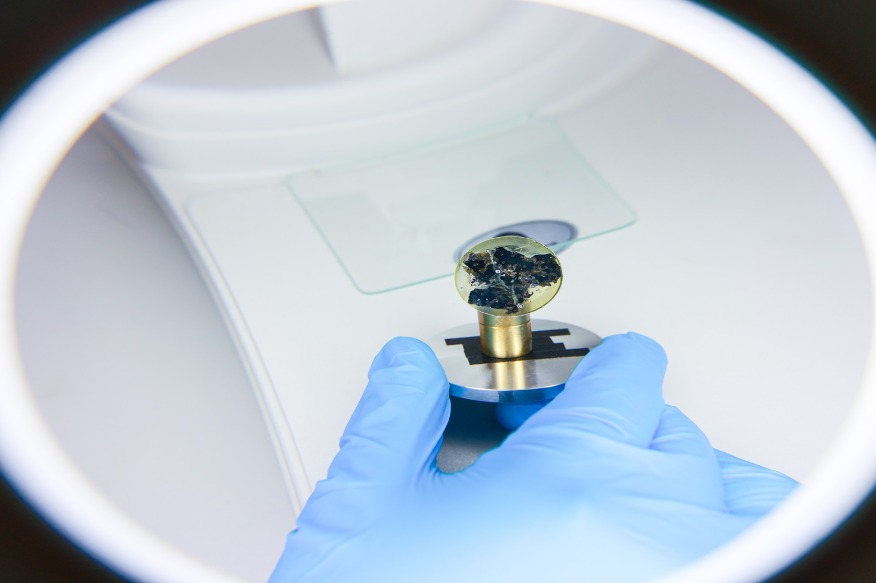
Macao has significantly advanced its scientific capabilities with the establishment of four state key laboratories, marking a transformative development in the special administrative region’s research landscape. The newly inaugurated facilities specialize in cutting-edge domains including traditional Chinese medicine, microelectronics, smart-city Internet of Things, and lunar and planetary sciences.
Chen Ji-min, vice-chairperson of the council of Macao University of Science and Technology and a national political adviser, revealed these developments during the fourth session of the 14th National Committee of the Chinese People’s Political Consultative Conference in Beijing. According to Chen, these laboratories represent a strategic investment in Macao’s research infrastructure that has already yielded substantial returns in talent development and international collaboration.
Since Macao’s return to Chinese sovereignty in 1999, the region has dramatically prioritized scientific research and technological innovation within its higher education system. This commitment is reflected in staggering growth metrics: university enrollment has skyrocketed from 8,000 to over 62,000 students, while research staff has expanded from merely 13 to 1,773 professionals—representing a 136-fold increase. Currently, more than 9,000 undergraduate and postgraduate students are pursuing science and technology disciplines.
‘The convergence of academic institutions and state key laboratories, coupled with participation in major national initiatives, has enabled Macao to cultivate a new generation of young scientists while attracting world-renowned researchers to the Guangdong-Hong Kong-Macao Greater Bay Area,’ Chen stated. She further emphasized that ‘Macao is positioning itself as an international hub for elite talent that aggregates global expertise and bridges domestic and international collaborative innovation.’