A comprehensive scientific investigation has documented the severe ecological consequences of North America’s unprecedented 2021 heat dome phenomenon, revealing both catastrophic losses and unexpected beneficiaries within affected ecosystems. Published in Nature Ecology and Evolution, the research demonstrates how this extreme weather event—intensified by human-induced climate change—created dramatically divergent outcomes across species populations.
The record-shattering heatwave that engulfed western North America, with temperatures surpassing 50°C (122°F), triggered a chain reaction of environmental impacts. Researchers from the University of British Columbia and University of Victoria conducted multidisciplinary analysis combining meteorological, ecological, and hydrological data with wildfire tracking and scientific modeling to assess the full scope of damage.
Findings indicate that over three-quarters of the 49 terrestrial and marine species examined suffered significant negative effects, with population declines ranging from moderate to near-total collapse. Marine ecosystems experienced particularly devastating losses, with 92% of Bay mussels perishing and more than half of the thatched barnacle population eliminated. Bird species faced critical challenges, as evidenced by a 56% reduction in surf scoter populations and nest abandonment among fledglings incapable of escaping overheating nests.
Terrestrial mammals displayed varied responses. Caribou sightings decreased by 50% according to camera trap data, while moose populations demonstrated remarkable resilience, maintaining pre-heatwave observation levels potentially through strategic selection of cooler microclimates in densely forested areas.
The research identified several unexpected beneficiaries of the ecological disruption. Sea lettuce capitalized on the diminished competition from other algae species, expanding its beach coverage by 65% following the heat event. This differential impact highlights how species-specific traits—including heat tolerance, behavioral adaptations, access to vegetation cover, and mobility—determined survival outcomes during the extreme thermal event.
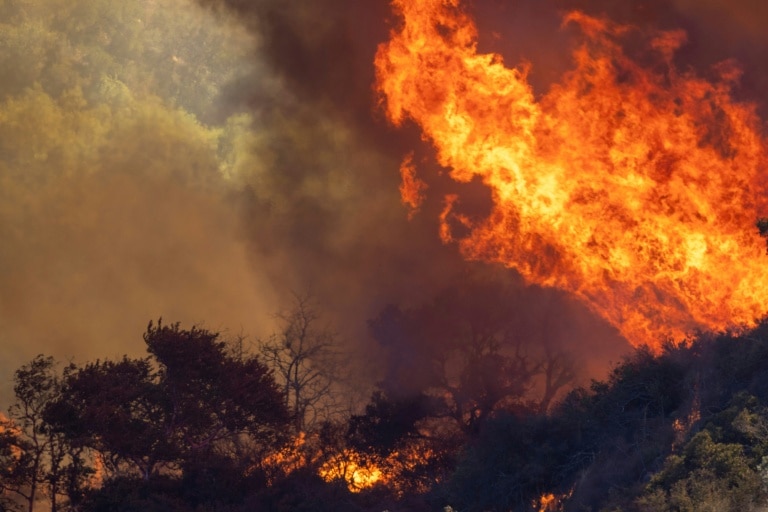
The study further noted that the heat dome contributed to a nearly 400% increase in wildfire activity across affected regions, compounding the ecological disruption through habitat destruction and air quality deterioration. Scientists emphasize that these findings provide critical insights into ecosystem vulnerability and adaptive capacity as climate change increases the frequency and intensity of extreme weather events worldwide.