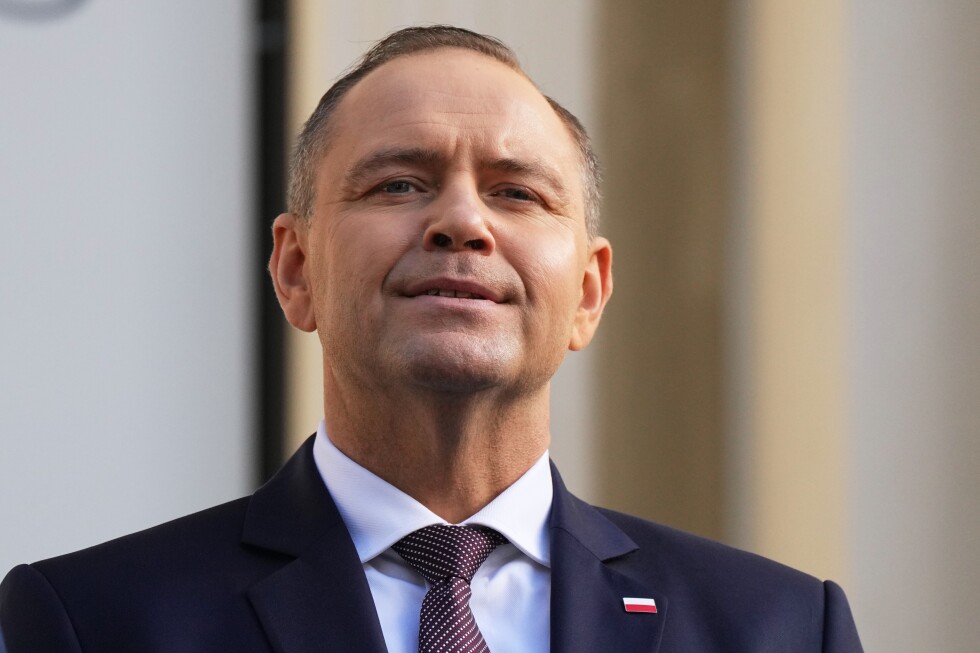
In a significant political maneuver, Polish President Karol Nawrocki has declined to endorse legislation that would grant Poland access to approximately €44 billion in preferential defense loans through the European Union’s Security Action for Europe (SAFE) initiative. The president’s office announced Tuesday that Nawrocki considers increased financial dependence on Brussels contrary to Poland’s national interests.
Instead of utilizing EU mechanisms, the presidential administration has proposed alternative legislation suggesting domestic funding sources for defense modernization projects. This development highlights the growing ideological divide between Poland’s liberal government under Prime Minister Donald Tusk and the nationalist presidency, particularly regarding European integration and defense cooperation.
The political confrontation occurs against the backdrop of heightened security concerns following Russia’s full-scale invasion of Ukraine in 2022. While subsequent Polish governments have consistently increased defense spending, the current administration favors closer coordination with EU institutions, whereas the presidency maintains a more eurosceptic stance and has cultivated stronger relations with the Trump administration.
Nawrocki, who has positioned himself as the primary political adversary to Prime Minister Tusk since assuming office last year, retains until March 20 to issue a formal veto against the government’s legislation. The president’s opposition aligns with criticism from the national-conservative Law and Justice (PiS) party, which argues that EU funding mechanisms ultimately increase German influence and disadvantage American defense contractors.
The United States has concurrently expressed reservations about EU defense initiatives, with American ambassadors to the EU and NATO publishing an opinion piece in February criticizing programs like SAFE for potentially limiting market competition and undermining transatlantic defense cooperation.
Despite the presidential opposition, the Tusk administration maintains that alternative pathways exist to access SAFE funding, albeit under potentially less favorable conditions. The government had previously identified 139 defense projects for financing, including 30 initiatives focused on fortifying Poland’s eastern borders, with承诺 80% of funds directed toward domestic defense industries.