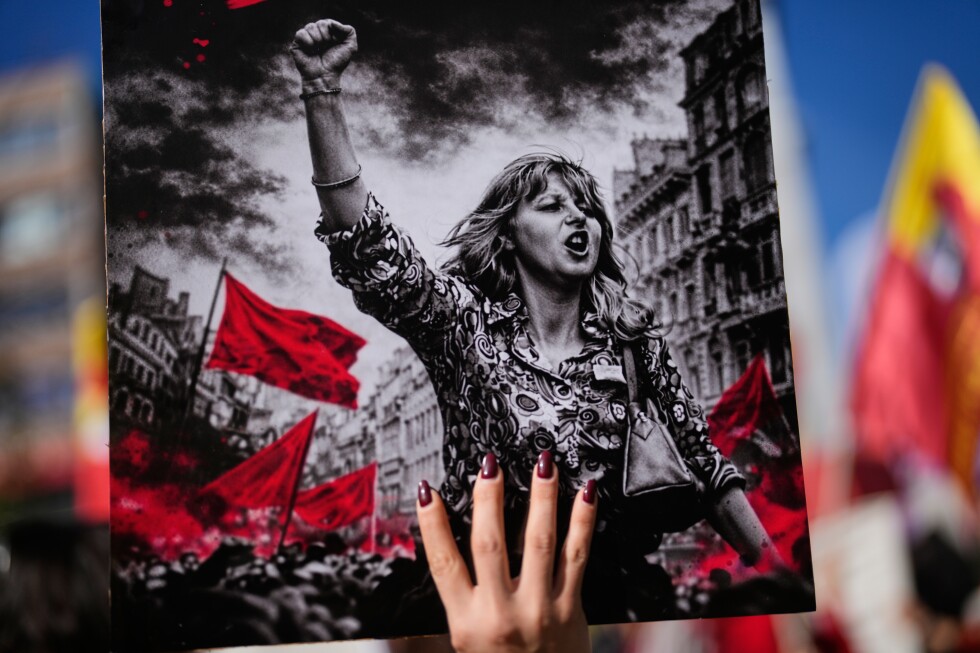
On Sunday, millions worldwide participated in International Women’s Day observances, combining celebration of women’s achievements with urgent calls for gender equality. The global events showcased a diverse spectrum of activities—from political demonstrations demanding equal pay and reproductive rights in Pakistan and Turkey to symbolic flower ceremonies in China and Russia. In Cambodia, workers raised fists and umbrellas in solidarity, while Berlin witnessed approximately 20,000 participants in one of Europe’s largest marches, doubling police expectations.
This year’s theme, ‘Give to Gain,’ emphasized both financial support for women-focused organizations and intangible contributions like education and challenging discrimination. The commemoration occurs against a sobering statistical backdrop: UN data reveals women globally possess only 64% of the legal rights enjoyed by men, while femicide remains devastatingly prevalent with a woman or girl killed by family or partners every ten minutes worldwide.
The historical roots of International Women’s Day trace back to 1909 with the American Socialist Party, though German feminist Clara Zetkin championed its global adoption at the 1910 Copenhagen socialist conference. The March 8 date commemorates a massive 1917 Russian protest that contributed to the country’s wartime withdrawal. The UN formally recognized the day in 1977, and it now serves as an official holiday in over 20 nations.
Recent developments have intensified the day’s significance. The 2022 reversal of Roe v. Wade in the United States has triggered reverberations across Europe’s political landscape, reigniting debates about reproductive rights amid rising far-right influence. In Brazil, marches focused on gender-based violence following the alleged gang rape of a teenager in Rio de Janeiro’s Copacabana neighborhood.
Social media continues amplifying attention on demonstrations in nations with repressive governments, making International Women’s Day both a celebration of progress and a stark reminder of persistent global inequalities.