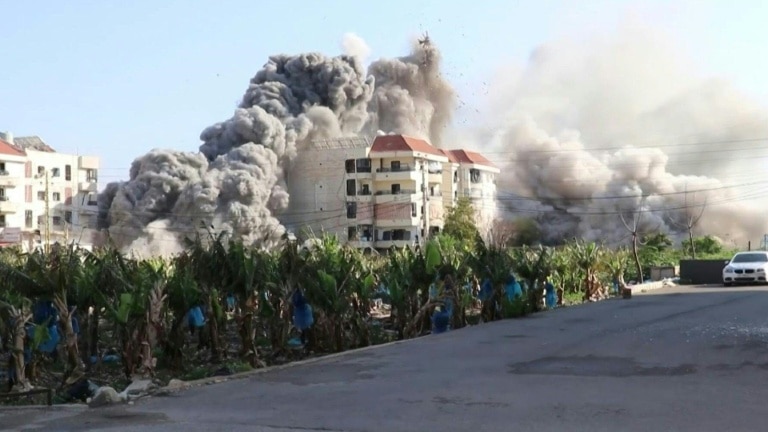
The Middle East conflict entered a dangerous new phase this weekend as aerial assaults triggered massive infernos at fuel storage facilities in Tehran. Dramatic footage showed fireballs and thick plumes of smoke rising over the Iranian capital following confirmed Israeli airstrikes targeting energy infrastructure.
Iran’s Revolutionary Guards issued a stark declaration of their military readiness, announcing possession of sufficient weaponry to sustain drone and missile campaigns across the region for up to six months. Spokesperson Ali Mohammad Naini revealed that only first- and second-generation missiles had been deployed thus far, with more advanced long-range systems being prepared for imminent use.
The conflict’s geographic scope continues to expand with significant attacks reported across multiple nations. Saudi Arabia intercepted drones targeting Riyadh’s diplomatic quarter, Kuwait sustained damage to airport fuel tanks, and Bahrain reported strikes on water desalination facilities. Meanwhile, Israeli forces struck Beirut’s southern suburbs, targeting Iranian operatives and killing at least four people according to Lebanese authorities.
Civilian casualties mount on all sides, with Iran’s health ministry reporting approximately 1,200 deaths and 10,000 injuries—figures that remain unverified independently. Lebanese officials documented 294 fatalities from Israeli airstrikes over the past week, prompting Prime Minister Nawaf Salam to warn of an impending humanitarian catastrophe.
International responses remain notably divided. President Donald Trump attended memorial services for six American personnel killed in Kuwait while refusing to rule out ground troop deployment. China’s top diplomat Wang Yi expressed regret that the conflict had occurred at all, stating that ‘a strong fist does not mean strong reason’ and warning against regression to ‘the law of the jungle.’
With Tehran’s fuel distribution temporarily disrupted and infrastructure damage accumulating, analysts see no clear resolution pathway. The impending selection of Iran’s next supreme leader following Ayatollah Khamenei’s death adds another layer of complexity to a conflict that shows every sign of intensifying further.