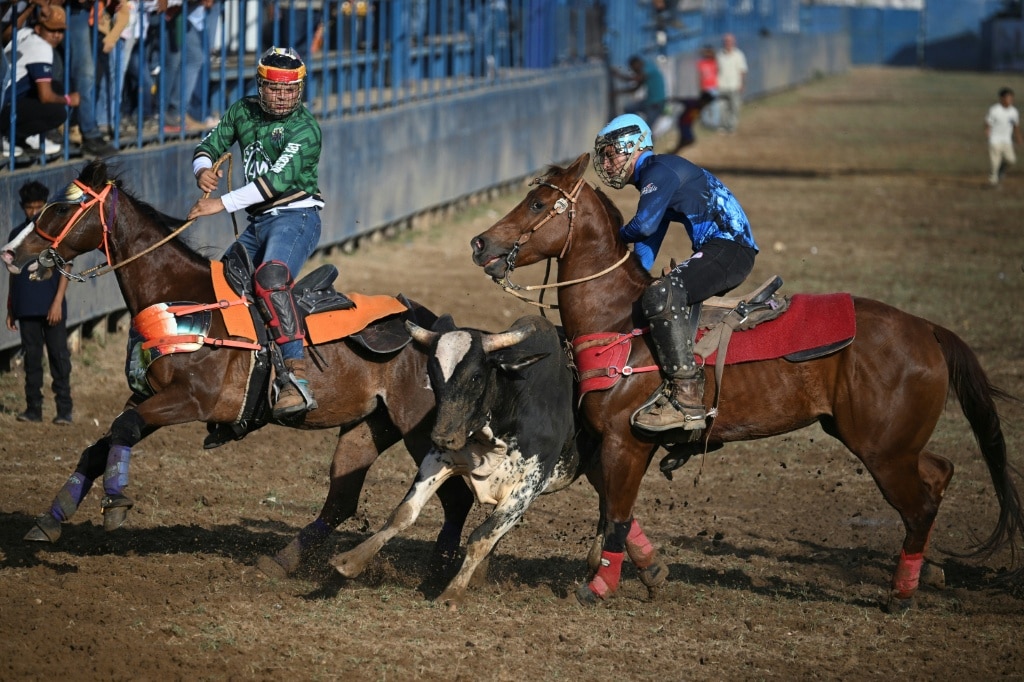
In the tropical grasslands of Venezuela’s llanos, an adrenaline-fueled cowboy tradition known as coleo continues to thrive despite mounting criticism from animal welfare organizations. This distinctive sport, deeply embedded in the nation’s cultural fabric, showcases mounted cowboys pursuing bulls not by their horns but by their tails in a dramatic display of equestrian skill.
The annual llanera fair in San Fernando de Apure serves as the premier venue for coleo competitions, where approximately 200 participants don protective gear including hockey helmets and limb padding. During four-minute matches, riders spur their horses alongside charging bulls, executing acrobatic maneuvers to grasp the animal’s tail and flip it to the ground. Scoring systems award points based on the bull’s tumbling technique, with additional marks for achieving all four legs in the air.
Historical experts trace coleo’s origins to Spanish colonial cattle herding practices, with the tradition now extending beyond Venezuela to neighboring Colombia, Brazil, and Mexico. Most competitors learn the sport through family lineages, with participants ranging from children to seasoned veterans like 35-year-old Rafael Delgado, who began competing at age ten.
Proponents defend coleo as an essential component of Venezuelan identity, with judge Neomar Sanoja even declaring it the nation’s true national sport despite baseball’s overwhelming popularity. Supporters like rider Luis García criticize opponents as hypocritical, noting that most critics consume meat from industrial farming operations without similar outrage.
However, animal rights organizations including AnimaNaturalis and Venezuela’s Napda Foundation have launched vigorous campaigns against coleo, condemning it as ‘cruelty and abuse of power against defenseless animals.’ Their concerns intensified following viral videos showing spectators kicking and throwing objects at bulls to force them back to their feet during competitions.
The cultural divide highlights the complex intersection of tradition, entertainment, and animal welfare in contemporary Venezuelan society, with no immediate resolution in sight for this deeply polarized issue.