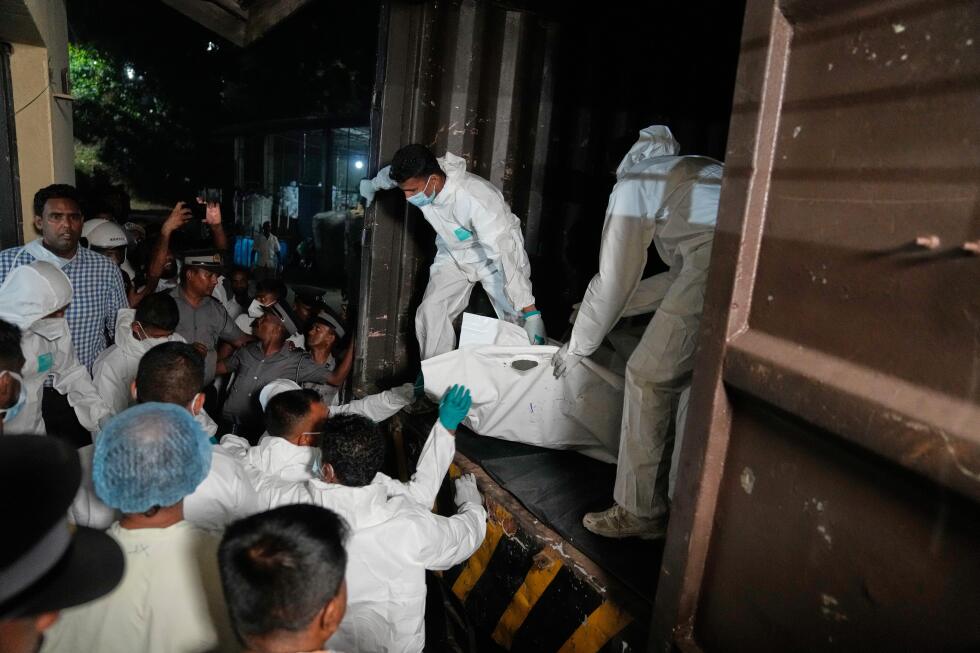
A significant naval incident has unfolded in the Indian Ocean as Sri Lankan authorities confirmed the recovery of 87 bodies and the rescue of 32 sailors from the sunken Iranian frigate IRIS Dena. The vessel met its fate in international waters off Sri Lanka’s coast following a torpedo attack by a U.S. submarine—marking one of the rare instances of submarine warfare since World War II.
The sunken warship had previously participated in naval exercises hosted by India, according to New Delhi’s statements. The IRIS Dena took part in both the International Fleet Review and the multilateral MILAN 2026 naval exercises organized by the Indian Navy in Visakhapatnam from February 15-25, which saw participation from 74 nations.
U.S. Defense Secretary Pete Hegseth characterized the sunken Iranian vessel as a ‘prize ship,’ while President Donald Trump reiterated that eliminating Iran’s naval capabilities remains a key objective of ongoing military operations. The Pentagon released video footage showing the precise moment of the torpedo impact, depicting an underwater explosion that caused the vessel to break apart amid a massive plume of water.
Iranian Foreign Minister Abbas Araghchi condemned the attack as ‘an atrocity at sea’ and warned that the United States ‘will come to bitterly regret’ the action. The incident has ignited serious concerns in India about maritime security in the Indian Ocean region, where New Delhi maintains substantial naval presence.
Indian opposition leaders, including Rahul Gandhi of the Indian National Congress party, criticized Prime Minister Narendra Modi’s government for its silence regarding the incident. Former Foreign Secretary Kanwal Sibal noted that while India wasn’t politically or militarily responsible for the attack, the country held moral responsibility since the Iranian vessel had been operating in regional waters under India’s invitation.
The sinking has underscored how U.S.-Israeli military operations against Iran are expanding beyond the Middle East, while simultaneously highlighting the complex diplomatic balancing act India must maintain between its relationships with the United States and Iran.