The economic horizon across the Asia-Pacific region is rapidly deteriorating as escalating Middle Eastern tensions send shockwaves through global markets, triggering widespread concerns about energy security and inflationary pressures.
Analysts warn that persistent hostilities have created unprecedented risks for energy-import dependent Asian economies. The critical situation intensified when Iran’s Revolutionary Guards declared the strategic Strait of Hormuz “closed” on Monday, threatening attacks on vessels attempting passage through this vital maritime corridor that handles approximately 21 million barrels of oil daily.
Energy market expert Vandana Hari, founder of Singapore-based Vanda Insights, projected that sustained blockage of the strait could propel oil prices to $90 per barrel, necessitating substantial strategic reserve releases to curb market volatility. While benchmark Brent crude traded at $81.05 during Asian hours on Tuesday, analysts anticipate further price surges.
The regional economic implications are profound. Malaysia’s Maybank research division noted that although “war premiums” typically elevate oil prices, sustained increases require prolonged tensions. Iran contributes roughly 3% of global crude output, ranking as OPEC’s third-largest producer. In response to supply concerns, OPEC+ members agreed Sunday to increase production, potentially mitigating some disruption.
Financial markets reflected the anxiety, with South Korea’s KOSPI plunging over 7% and Japan’s Nikkei closing 3% lower. Manav Modi, commodity analyst at Motilal Oswal Financial Services, highlighted that energy supply disruptions risk imported inflation through elevated crude and freight costs, potentially spilling into food, transport, and core inflation metrics.
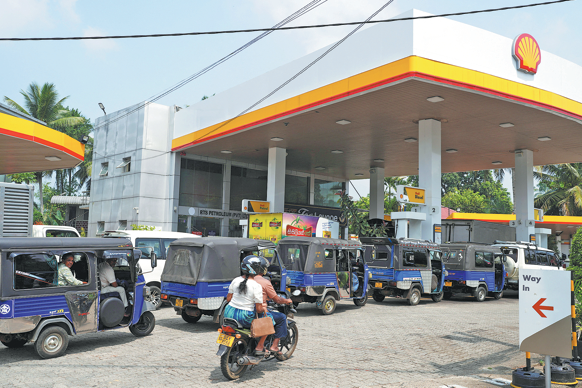
BMI’s Asia country risk head Darren Tay identified several Southeast and South Asian nations as particularly vulnerable due to their combination of heavy net energy import dependence, current account deficits, and limited policy buffers. Pakistan and Sri Lanka sit at the apex of risk exposure.
The human dimension adds another layer of complexity. Rizal Commercial Banking Corp chief economist Michael Ricafort noted that travel disruptions could deter Filipino workers from migrating to Gulf Cooperation Council countries—a primary destination for South and Southeast Asian migrant workers—potentially reducing crucial remittance flows that underpin many regional economies.
Tay observed the remittance channel creates a dual dynamic: “Higher oil prices often support Gulf spending and maintain migrant labor demand, which can cushion recipient economies even as their energy bills rise. However, prolonged conflict disrupting Gulf activity or payments could rapidly diminish inflows and worsen external balances.”