Turkish President Recep Tayyip Erdogan has extended an offer to broker a new ceasefire between Pakistan and Afghanistan as intense border hostilities entered their sixth consecutive day on Wednesday. The escalating military confrontation, which began last week following Afghan retaliation for Pakistani airstrikes, has prompted international concern after Pakistan declared itself in “open war” with its neighbor.
The current violence has effectively nullified a previous truce agreement mediated by Qatar and Turkey in October, which had temporarily averted another near-war situation between the two nations. That earlier diplomatic effort had culminated in six days of negotiations in Istanbul and an agreement to extend the ceasefire, though subsequent talks in November ultimately failed to produce any substantive breakthroughs.
According to an official statement from Ankara, President Erdogan, during a telephone conversation with Pakistani Prime Minister Shehbaz Sharif, explicitly condemned terrorist attacks within Pakistan and expressed Turkey’s commitment to facilitating the reestablishment of ceasefire conditions. While Sharif’s office did not directly acknowledge the mediation offer, it confirmed the leaders had engaged in substantive discussions regarding border tensions along the 2,611-kilometer frontier and pledged continued cooperation toward regional stability.
The Taliban government in Kabul has remained silent regarding Erdogan’s proposal, though analysts suggest Afghan authorities might perceive Turkey’s position as potentially biased toward Islamabad. This perception could complicate mediation efforts despite last week’s communication between Turkish Foreign Minister Hakan Fidan and his Afghan counterpart Amir Khan Muttaqi regarding the cross-border situation.
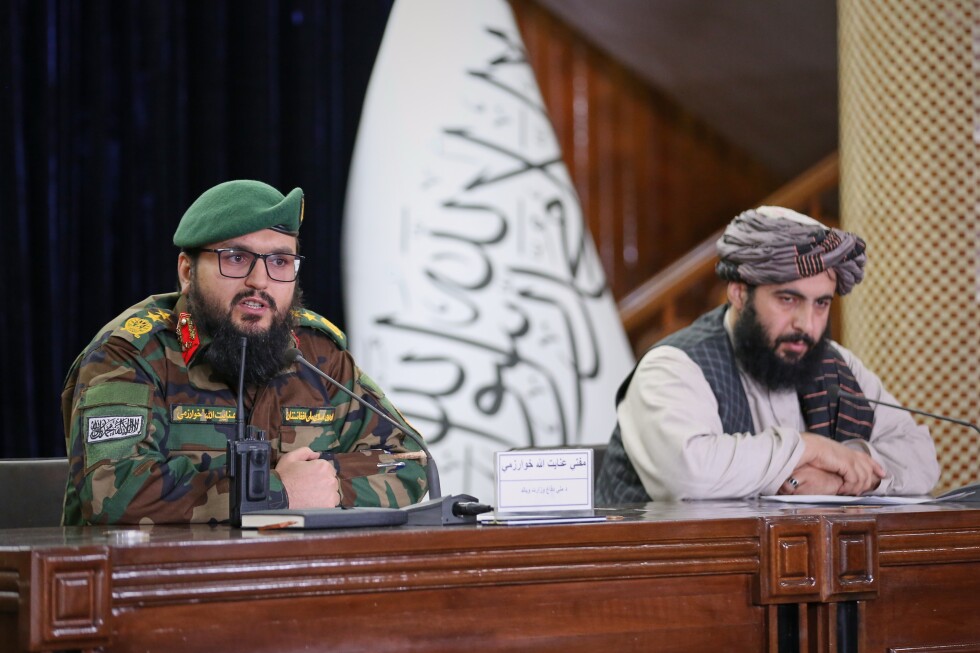
Military engagements have primarily concentrated in Pakistan’s northwestern Khyber Pakhtunkhwa and southwestern Balochistan provinces, with both nations issuing dramatically conflicting casualty reports. Afghanistan’s Defense Ministry claimed Wednesday that its forces had inflicted significant losses on Pakistani troops, while Pakistan’s Information Minister Attaullah Tarar asserted that 481 Afghan soldiers had been killed over the six-day conflict period. The remote, media-inaccessible border region—where al-Qaida and Islamic State affiliates also operate—has made independent verification of these claims impossible.
Pakistan has emphatically stated that military operations will continue until Afghanistan demonstrates verifiable action against Pakistani Taliban (TTP) militants and other groups operating from its territory. Islamabad has consistently accused Kabul of harboring TTP elements responsible for increased attacks inside Pakistan since the Afghan Taliban’s return to power in 2021—an allegation Afghan authorities vehemently deny.