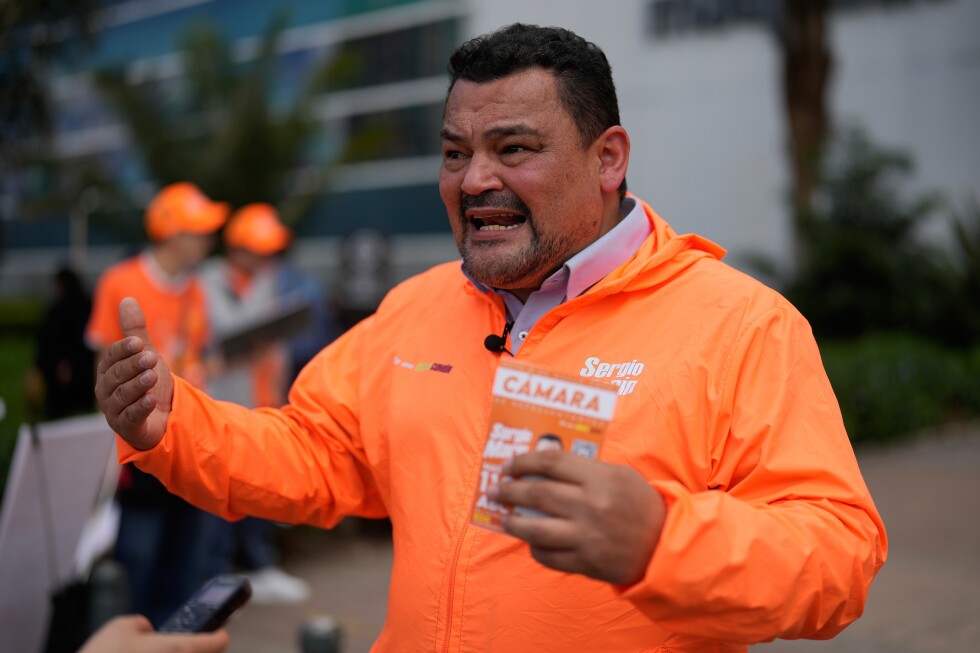
Colombia’s congressional elections on Sunday represent an existential moment for former FARC rebels transitioning to political life, as they face the daunting challenge of competing without the guaranteed seats that previously sustained their political movement.
The Comunes party, comprised of ex-combatants from the Revolutionary Armed Forces of Colombia, must now secure votes on equal footing with established political parties after the expiration of special provisions granted under the 2016 peace agreement. The party previously held ten congressional seats as part of the transitional justice arrangement but now faces intense electoral competition without this safety net.
Political analysts express skepticism about the former rebels’ electoral prospects. Yan Basset, a political science professor at Bogota’s Rosario University, noted, “They have not really gained the support of the people,” highlighting the enduring stigma from the five-decade conflict during which FARC forces kidnapped thousands and bombed numerous villages.
The party’s electoral performance has deteriorated significantly, dropping from 89,300 votes nationwide in 2018 to just 50,100 in 2022. This decline poses critical challenges under Colombian electoral laws requiring parties to capture at least 3% of total votes—approximately 509,000 ballots—to maintain official party status, receive public funding, and field candidates.
In a strategic pivot, Comunes has formed an alliance with Fuerza Ciudadana, a left-wing movement that recently secured mayoral and gubernatorial positions in northern Colombia. The former rebels have conspicuously minimized their traditional symbols, featuring Fuerza Ciudadana’s orange logo instead of their characteristic red rose on campaign materials and official ballots.
The electoral struggle occurs against the backdrop of recent admissions by former FARC commanders regarding wartime atrocities. In a January video submitted to Colombia’s transitional justice system, leaders acknowledged recruiting at least 18,000 children during the conflict, with former top commander Rodrigo Londoño stating that violence against girls caused “great physical and psychological damages that persist to this day.”
Carlos Carreño Marín, a former FARC commander and peace deal negotiator now representing Comunes in Congress, acknowledged the challenge: “We are in an intense struggle against parties that have been doing this for two centuries.”
The election outcomes will significantly impact President Gustavo Petro’s constitutional reform agenda, including proposed nationalization of healthcare and pension system reforms, with nearly 300 congressional seats at stake.