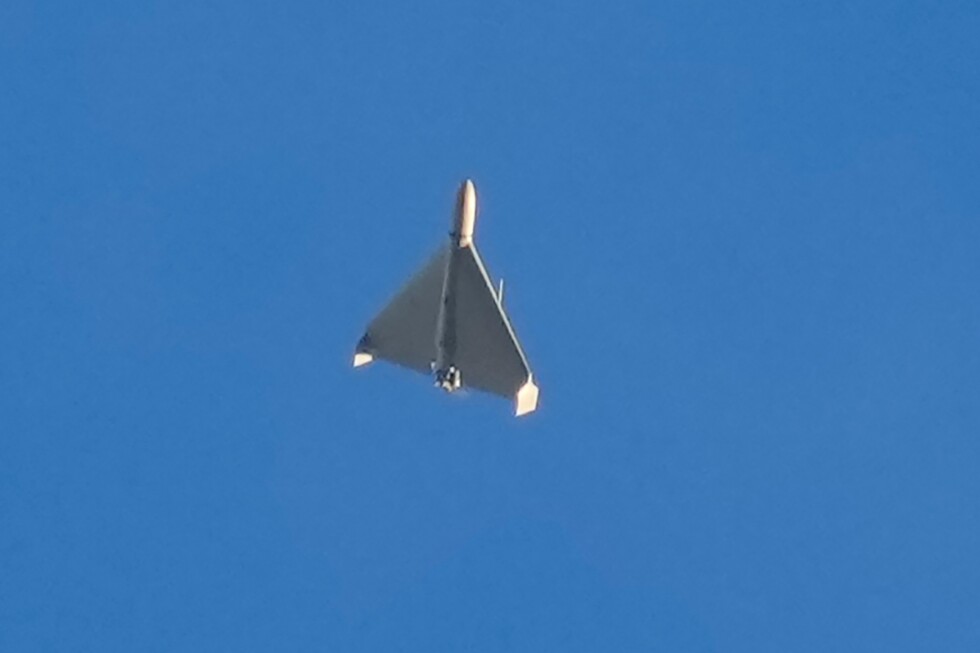
The distinctive acoustic signature of Iranian-engineered drones has become an increasingly prevalent feature in conflict zones worldwide. Originally deployed by Russian forces in Ukraine, these low-cost unmanned systems are now being utilized by Iran itself across the Persian Gulf region in response to recent U.S. and Israeli military actions.
The Shahed drone series, whose name translates to ‘witness’ in Farsi, has fundamentally altered contemporary combat dynamics. While ballistic and cruise missiles deliver superior speed and destructive power, their multimillion-dollar price tags and limited inventories constrain their deployment. In stark contrast, Shahed drones cost approximately $20,000-$50,000 per unit—representing a fractional expense compared to conventional missiles.
Russia’s strategic incorporation of these Iranian-designed systems following its 2022 invasion of Ukraine has demonstrated their battlefield efficacy. After initial acquisition from Tehran, Russian engineers enhanced the drones’ operational altitude, improved jamming resistance, and increased warhead capacity. Domestic production under the designation ‘Geran’ (geranium) in Tatarstan has enabled exponential manufacturing growth, with current attacks sometimes deploying hundreds of drones nightly.
The tactical implementation involves overwhelming enemy air defenses through numerical superiority, creating opportunities for more valuable missiles to strike high-priority targets. Despite their relatively slow speed of 180 km/h, these drones can travel up to 2,000 kilometers while carrying 40 kilograms of explosives—characteristics that have earned them the Ukrainian nickname ‘mopeds’ due to their distinctive engine sound.
Recent weeks have witnessed Iran’s direct deployment of hundreds of missiles and drones against targets across Saudi Arabia, Bahrain, Kuwait, Qatar, and the United Arab Emirates. These attacks have struck military installations, energy infrastructure, transportation hubs, and even civilian structures. Dubai officials reported intercepting 165 ballistic missiles, two cruise missiles, and over 540 drones during a two-day period, though falling debris from destroyed drones still caused significant collateral damage.
The conflict expansion reached European territory when Iranian drones struck the Royal Air Force base in Akrotiri, Cyprus, prompting renewed defensive alerts. While advanced U.S. and Israeli air defense systems have proven effective against ballistic missiles, the swarm tactic using inexpensive drones has challenged protection capabilities, particularly for softer targets.
Security experts emphasize that drone technology has transformed modern warfare through the combination of persistent surveillance, precision strike capability, and artificial intelligence-enhanced targeting. The accessibility and concealability of these systems—transportable in standard trucks—create unprecedented challenges for conventional military defense strategies.
As defense analysts note, the international community must rapidly institutionalize counter-drone tactics developed in Ukraine, adapting lessons learned to address this proliferating asymmetric threat across multiple theaters of conflict.