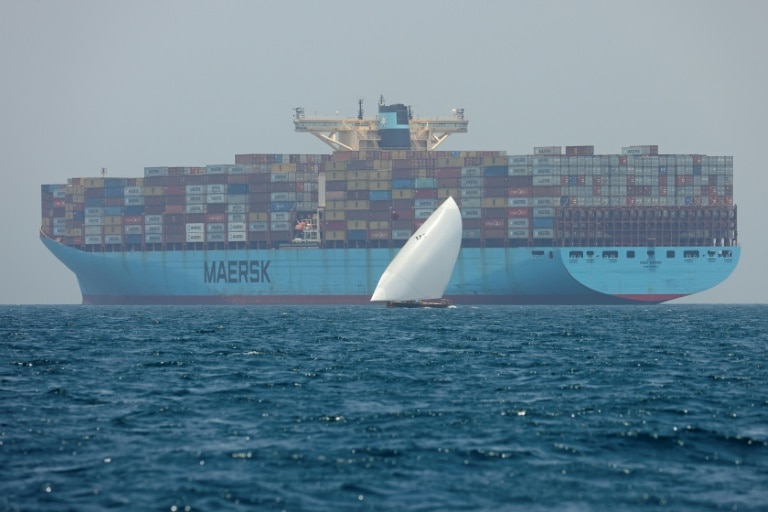
The strategic Strait of Hormuz, a critical maritime artery for global energy supplies, has become the epicenter of a major shipping crisis as escalating regional conflicts force unprecedented disruptions to commercial navigation. With approximately 20% of the world’s seaborne oil transiting through this narrow passage, the current impasse threatens to reshape global trade patterns and energy logistics.
Major international shipping conglomerates—including MSC, Maersk, CMA CGM, Hapag-Lloyd, and Cosco—have implemented emergency protocols following recent military strikes by Israel and the United States against Iran. These companies have ordered their vessels to seek safe anchorage, creating visible clusters of idled ships near Kuwait, Dubai, and Bandar Abbas according to Marine Traffic monitoring systems.
This operational paralysis marks a historic deviation from past conflicts. Unlike during the Iran-Iraq War (1980-1988) when commercial passage persisted despite attacks on tankers, the current situation represents what maritime experts describe as an ‘unprecedented freeze’ in regional shipping activity.
The economic ramifications extend beyond energy markets. Dubai’s Jebel Ali port, ranking as the world’s tenth-largest container terminal and a crucial redistribution hub for over a dozen nations, faces severe operational constraints. The port serves as a critical transshipment point where container vessels transfer cargo to smaller ships bound for destinations from East Africa to India.
Trade flows through the strait encompass diverse commodities: Germany transports automobiles, machinery, and industrial equipment; France exports agricultural products, cosmetics, and pharmaceuticals; while Italy ships significant quantities of food products, marble, and ceramics. Conversely, the region exports not only hydrocarbons but also approximately 9% of global primary aluminum production.
Consumers worldwide are already experiencing consequences, with e-commerce platforms including Temu, Shein, and Amazon warning customers of extended delivery timelines. Freight costs are escalating due to newly imposed risk surcharges, while simultaneous Red Sea disruptions have forced vessels to reroute via South Africa’s Cape of Good Hope—adding approximately 10 days to transit times and increasing costs by nearly 30%.