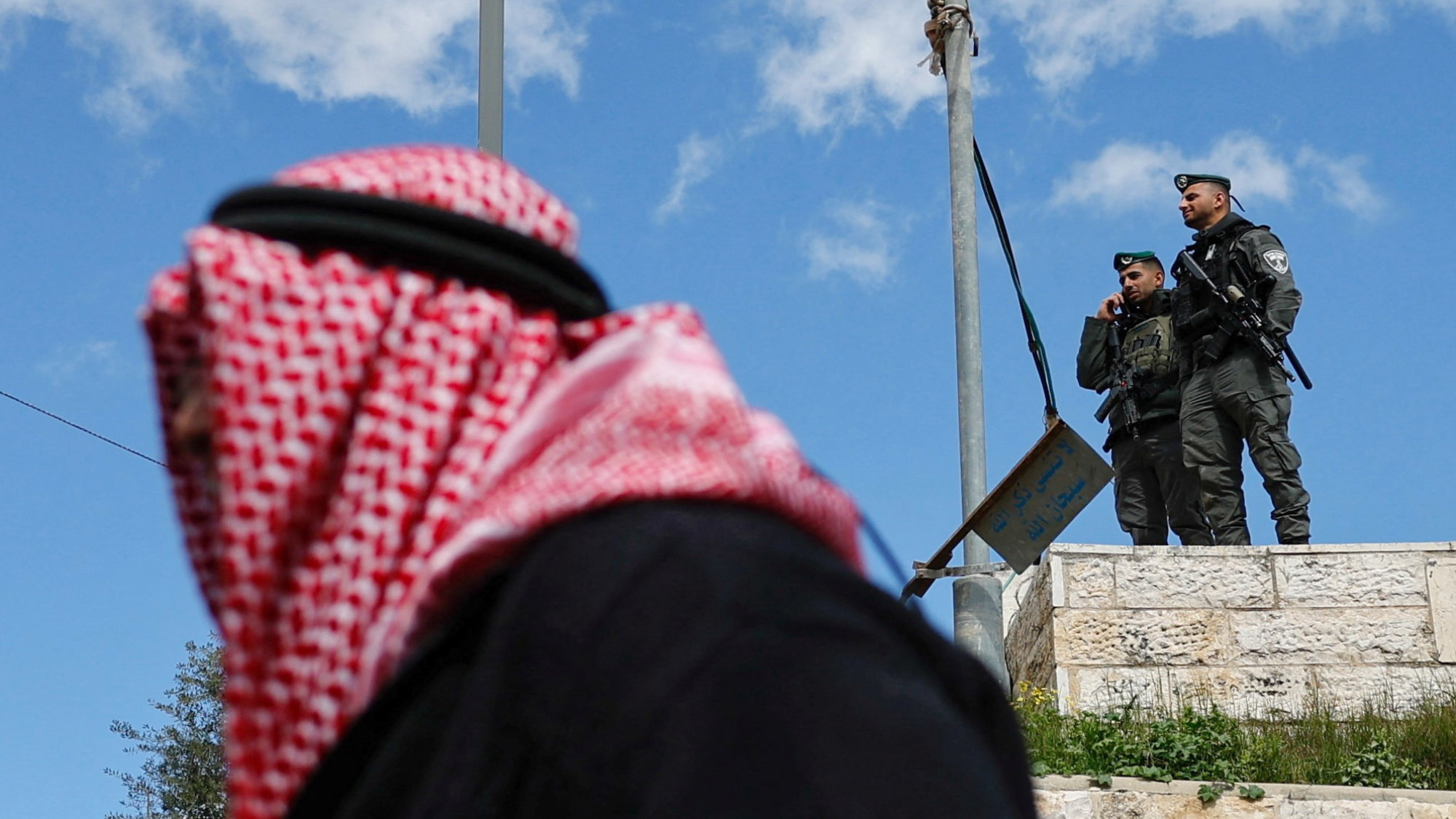
For an unprecedented third consecutive day, Israeli authorities have maintained the complete closure of Jerusalem’s Al-Aqsa Mosque during the holy month of Ramadan, preventing Palestinian Muslims from accessing one of Islam’s most sacred sites. This extraordinary measure, implemented under what Israel describes as a security emergency following its military engagement with Iran, represents the first such closure during Ramadan in recent history.
The Islamic Waqf, the Jordanian-appointed religious endowment responsible for managing the mosque complex, reports that only essential personnel are permitted limited access, with even basic provisions for guards being restricted. Sheikh Ikrima Sabri, former Grand Mufti of Jerusalem, condemned the decision as an unjustified violation of religious freedom that effectively transfers control from Islamic authorities to Israeli security forces.
Historical context reveals the exceptional nature of this closure. While brief shutdowns occurred in 2014 and 2017 during periods of heightened tension, and during COVID-19 for public health reasons, no prolonged closure has been recorded since Israel’s occupation of East Jerusalem in 1967. The current shutdown affects what would normally be hundreds of thousands of worshippers during Ramadan.
Parallel restrictions have been implemented at the Ibrahimi Mosque in Hebron, another significant religious site, where all prayers have been suspended indefinitely. Palestinian religious authorities report approximately 1,000 Jerusalem residents, including senior imams and Waqf employees, have received orders banning them from the Al-Aqsa site.
Academic and Islamic Waqf Council member Dr. Mustafa Abu Sway characterizes these developments as the materialization of long-feared Israeli changes to the status quo at Islamic holy sites. The measures coincide with recent Israeli governance changes in the West Bank that critics describe as de facto annexation, raising concerns about permanent alterations to the administration of religious sites in occupied territories.