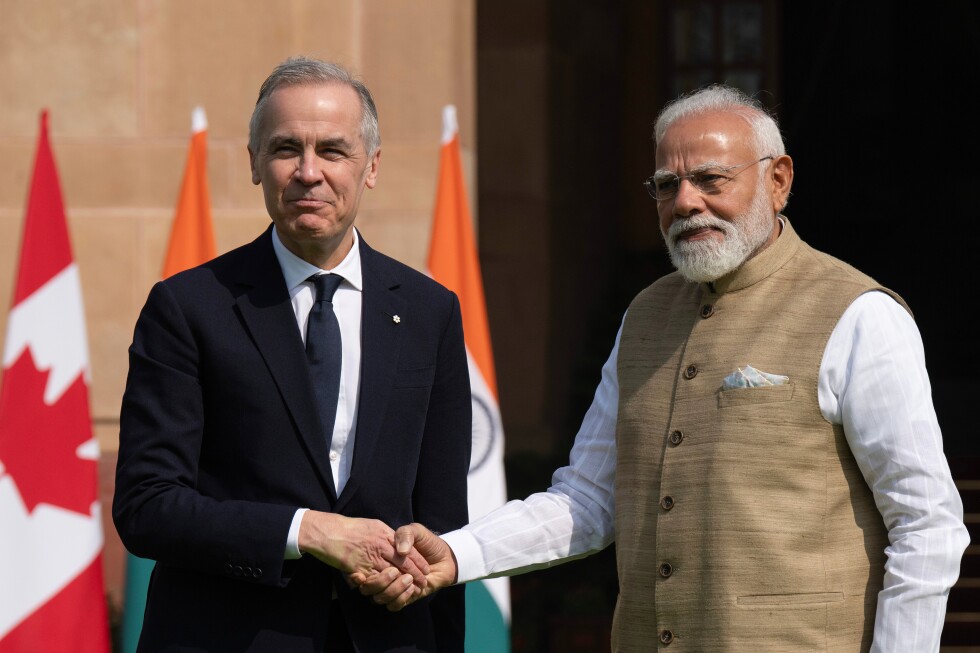
In a significant diplomatic development, India and Canada have committed to reinvigorating their economic relations following a period of substantial strain. The breakthrough emerged during high-level talks between Indian Prime Minister Narendra Modi and his Canadian counterpart Mark Carney in New Delhi on Monday.
The two leaders announced ambitious plans to finalize a comprehensive economic partnership agreement by year’s end, setting a bilateral trade target of $50 billion by 2030. This initiative represents a substantial escalation in economic cooperation between the two nations, who had previously experienced diplomatic friction over allegations of Indian involvement in the killing of a Canadian Sikh activist near Vancouver in June 2023.
The diplomatic rift had resulted in reciprocal expulsions of senior diplomats and suspension of certain visa services. Relations began improving when Carney extended an invitation to Modi for the G7 summit in Alberta last June, signaling a desire to rebuild diplomatic channels.
Beyond trade, the nations signed a nuclear agreement facilitating Canadian uranium exports to India. Additional memoranda of understanding covered critical minerals, energy security, defense industry collaboration, maritime domain awareness, and cultural cooperation.
Carney’s visit to India forms part of his broader strategy to diversify Canadian trade relationships beyond the United States. The Canadian leader has articulated ambitions to double non-U.S. exports within the next decade, citing American tariff policies as creating investment uncertainty. Following his India visit, Carney is scheduled to continue his trade diversification mission with stops in Australia and Japan.