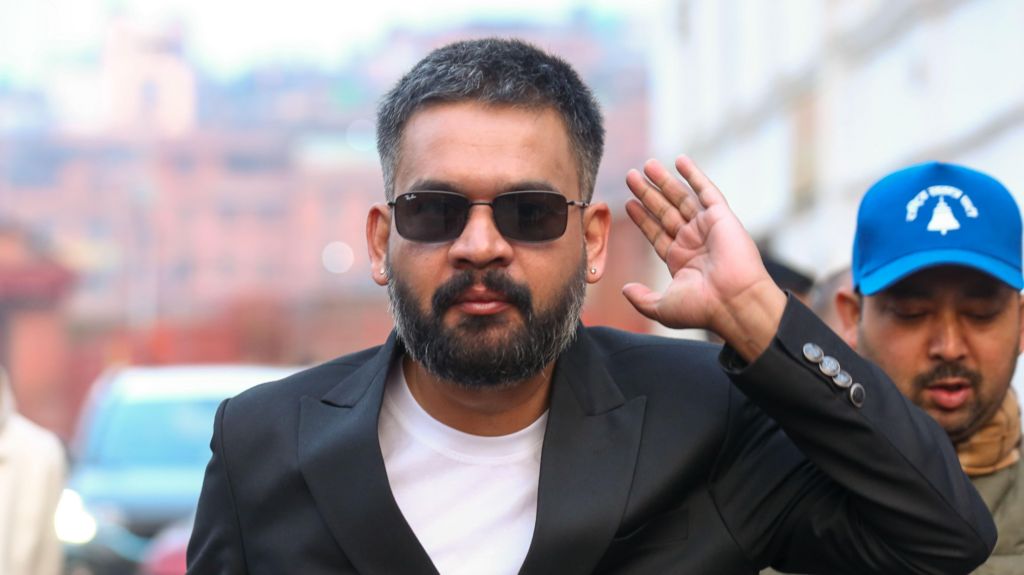
CHITWAN, Nepal – The thunderous beat of an AI-generated campaign anthem echoes across the rally grounds as thousands chant “Balen” in unison. Thirty-five-year-old Balendra Shah, the rapper-turned-mayor now vying for Nepal’s prime ministership, has become the symbol of a generational uprising against the country’s entrenched political elite.
Shah’s Rastriya Swatantra Party (RSP), which surprisingly secured fourth place in the 2022 general elections, now challenges Nepal’s longstanding political dynasties. His campaign directly confronts former Prime Minister KP Sharma Oli in Jhapa-5, a constituency traditionally considered Oli’s safe seat.
The political upheaval follows September’s deadly anti-corruption protests that forced Oli’s resignation after police fatally shot 77 demonstrators, mostly young activists. The movement began as opposition to social media restrictions but evolved into a widespread demand for accountability and opportunities in a nation grappling with 20.6% youth unemployment – among South Asia’s highest rates.
At Shah’s rallies, first-time voters like 18-year-old Nandav Yadav express unwavering support: “We want to fight for the young people who died in the Gen-Z movement. Our former prime minister could have stopped it, but he didn’t.”
Meanwhile, Oli maintains his innocence regarding the protest violence, telling reporters his party “wants to understand the feelings of the new generation” while promising to restore “sovereignty, peace and democracy.” His supporters, including 82-year-old Narad Prashad Luitel, believe he should “finish the work he started on the country’s roads and infrastructure.”
Political analyst Nischal Pandey notes the historic significance: “None of our governments have survived their full terms in decades. These are historic elections. People are tired of the same old faces.”
With over 915,000 first-time voters among nearly 19 million eligible citizens, Thursday’s election represents a potential watershed moment. A victory for Shah could mark Nepal’s first government in years without communist participation, potentially ending decades of political instability and coalition bargaining among the same political families.
The election mirrors recent regional movements, following weeks after similar youth-led anti-corruption protests in Bangladesh, signaling a broader generational shift in South Asian politics.