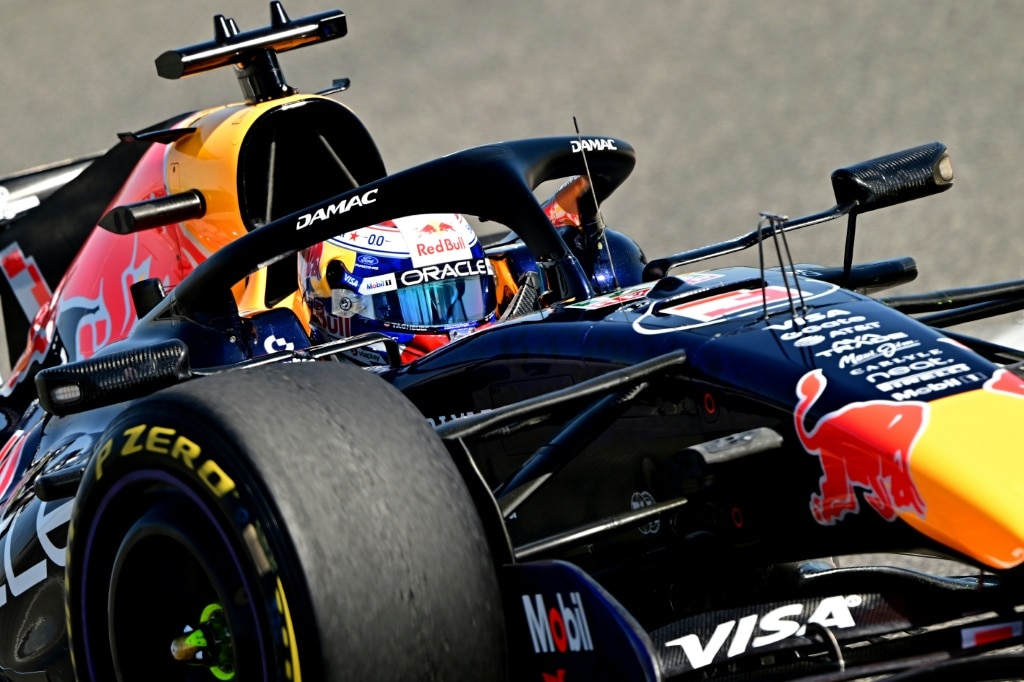
The 2026 Formula One championship commences in Melbourne’s Albert Park circuit on March 8th amidst unprecedented technical transformation and heightened competitive speculation. This season introduces the most comprehensive regulatory overhaul in recent history, featuring revolutionary chassis designs and power unit modifications aimed at enhancing overtaking opportunities and advancing environmental sustainability.
Defending world champion Lando Norris returns with McLaren amid swirling rumors about Mercedes potentially exploiting a technical loophole that could yield approximately 0.3 seconds per lap advantage—a substantial margin in elite motorsport. The controversy emerged during pre-season testing where reigning four-time champion Max Verstappen openly criticized the new designs as “Formula E on steroids” and “anti-racing,” while Mercedes driver George Russell defended the engineering innovations.
The simmering rivalry between Russell and Verstappen adds psychological intrigue to the technical drama. Their contentious history, including verbal sparring dating to the 2022 Azerbaijan sprint race, threatens to intensify should Mercedes successfully challenge Red Bull’s dominance. Russell previously characterized Verstappen as a “bully,” while the Dutch driver labeled Russell a “backstabber” during their 2024 exchanges.
Technical questions surround Red Bull’s first independently developed power unit, created with limited Ford collaboration. Despite skepticism, Max Verstappen’s father Jos described the engine as “powerful and reliable” after observing testing performances. The grid also features promising newcomers including 19-year-old Kimi Antonelli (Mercedes) and 21-year-old Isack Hadjar, who confidently stated: “If the car is capable of winning, then I will win races.”
Seven-time champion Lewis Hamilton enters his second Ferrari season with renewed determination after a disappointing 2025 campaign. The 41-year-old British driver declared himself “re-set and refreshed” following preseason preparations, vowing to pursue his record-breaking eighth championship title with revitalized intensity. Meanwhile, technical focus remains on sophisticated battery management systems that require drivers to strategically allocate energy deployment throughout each lap.
The season’s 24-race calendar promises to test both mechanical innovation and strategic adaptability as teams navigate mid-season regulatory adjustments that may close perceived loopholes. While McLaren, Mercedes, Red Bull and Ferrari remain championship favorites, the new regulations theoretically enable unexpected challengers to emerge throughout the extended campaign.