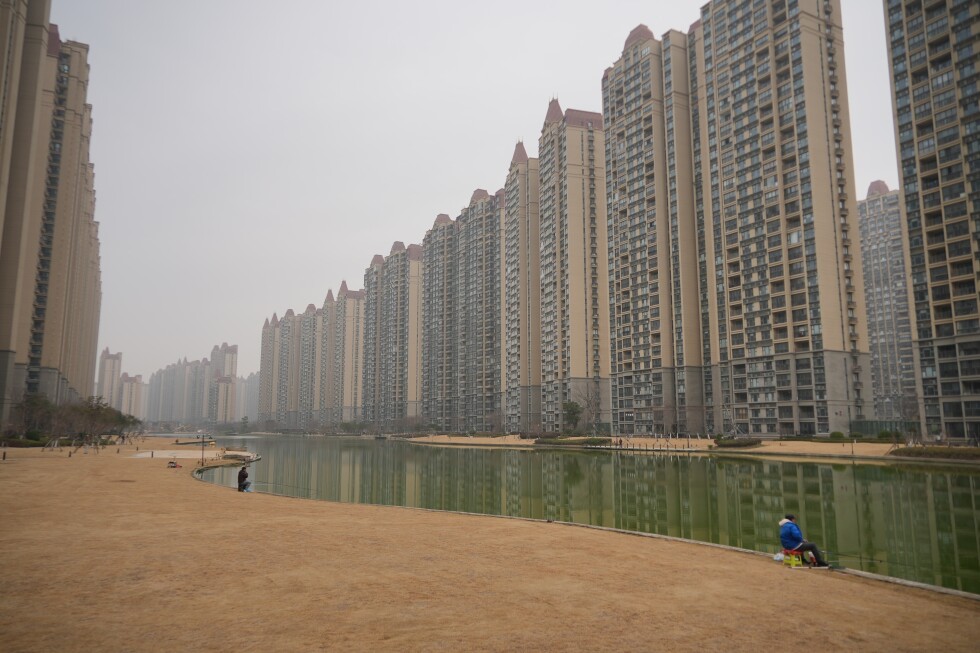
Across China, a profound demographic shift is underway as young professionals abandon high-pressure careers in megacities for affordable tranquility in smaller communities. This movement represents a dramatic reversal of China’s traditional urbanization pattern, where previous generations flocked to booming metropolitan centers seeking economic advancement.
The partially abandoned ‘Life in Venice’ development in Jiangsu province exemplifies this trend. Originally conceived as a luxury weekend resort for wealthy Shanghai residents, this massive replica of the Italian city now stands largely empty after China’s property market collapse bankrupted developer Evergrande in 2024. With less than 20% occupancy, the development has become an unlikely haven for young urban refugees like Sasa Chen, a former finance professional who left her 700,000 RMB ($98,480) Shanghai job at age 28.
Chen now pays just 1,200 RMB ($168) monthly for her apartment, enabling her to retire early through careful savings and investment returns. ‘I have all the time in the world, the freedom of doing whatever I want,’ Chen explains. ‘I never believed that work is the meaning of life.’
This phenomenon reflects broader economic pressures facing Chinese youth. The economy grew just 5% in 2025—respectable globally but significantly below China’s historical double-digit growth. Youth unemployment reached 16.5% in December, driving many to reject the grueling ‘996’ work culture (9 a.m.-9 p.m., six days weekly) that dominates Chinese tech and finance sectors.
Instead, young Chinese are embracing the ‘lying flat’ movement—shunning competitive careers for ‘low-desire living’—or pursuing FIRE (Financial Independence, Retire Early) principles more aggressively than Western counterparts due to China’s extremely low regional living costs.
Migration patterns confirm this trend: Beijing lost approximately 1.6 million residents in their twenties and early thirties between 2019-2024. Some are flocking to extremely affordable regions like Hegang, a northeastern mining city where apartments now sell for as little as $3,000—less than many cars.
Professor Chen Zhiwu of Hong Kong University observes: ‘Young people are facing reality and thinking hard about their futures.’ As economic opportunities diminish in traditional urban centers, China’s youth are fundamentally redefining success, prioritizing personal freedom and well-being over conventional career advancement.