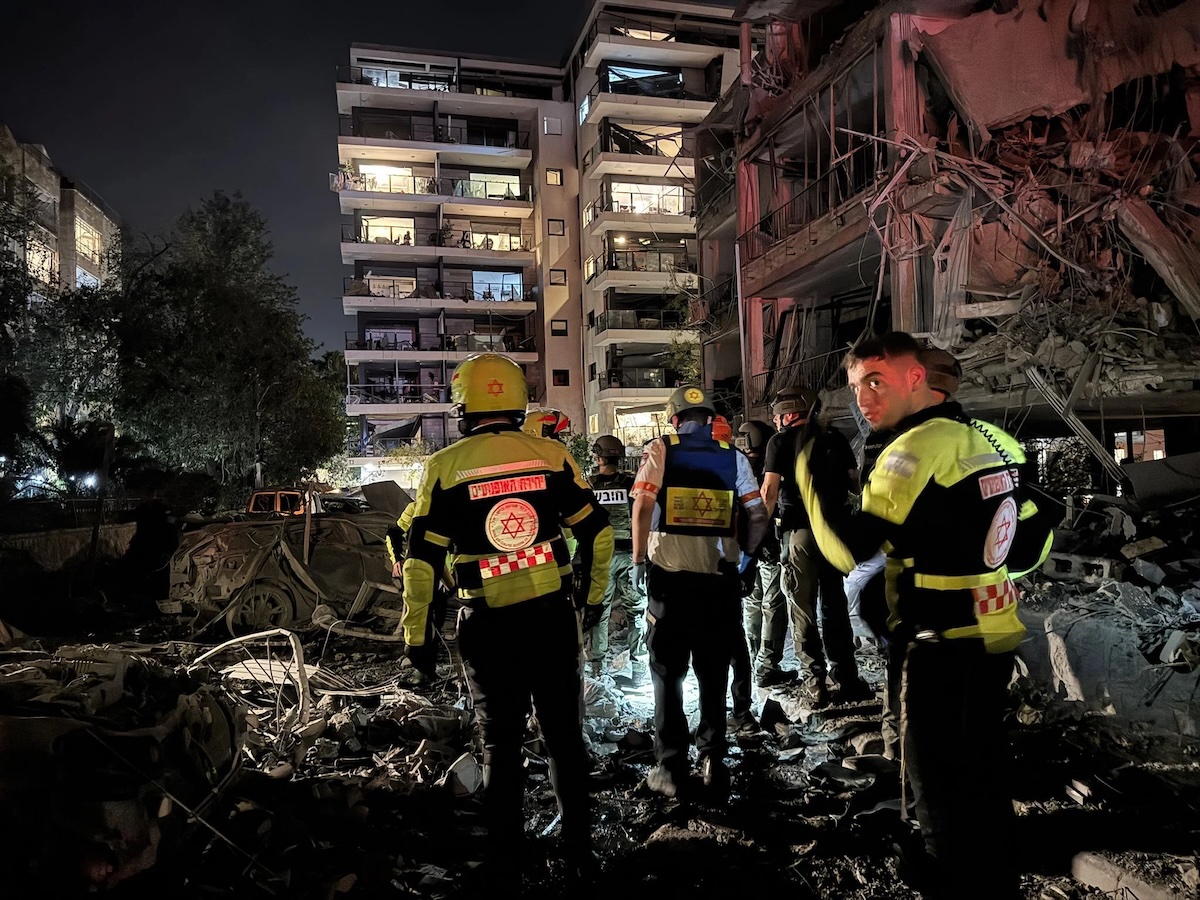
The Middle East has descended into open warfare following the targeted assassination of Iranian Supreme Leader Ayatollah Ali Khamenei in a joint US-Israeli military operation. Tehran responded with immediate retaliatory strikes against Israeli and US military installations across the region, marking a significant escalation in longstanding tensions.
US President Donald Trump and Israeli Prime Minister Benjamin Netanyahu publicly acknowledged their objective of facilitating regime change in Iran, though the immediate consequences have been widespread conflict rather than political transformation. The assassination represents the most significant blow to Iran’s Islamic regime since the 2020 killing of Qassem Soleimani, though historical precedent suggests the regime possesses considerable resilience.
Khamenei’s dual role as both political and spiritual leader complicates the succession process. The Assembly of Experts must now convene to appoint an interim or permanent successor, with three primary candidates emerging: Gholam-Hossein Mohseni-Eje’i (head of judiciary), Ali Asghar Hejazi (Khamenei’s chief-of-staff), and Hassan Khomeini (grandson of the republic’s founder).
The Islamic Revolutionary Guard Corps (IRGC) and paramilitary Basij forces remain firmly committed to regime preservation, having previously demonstrated willingness to suppress domestic dissent through lethal force during the 2025-2026 protests. The regime’s survival apparatus appears intact despite the leadership decapitation.
Iran’s retaliatory measures have extended beyond direct military strikes to economic warfare tactics. The IRGC has initiated operations to choke the Strait of Hormuz, through which 20% of global oil and 25% of liquefied gas transit daily. This strategic maneuver threatens severe disruptions to worldwide energy markets and economic stability.
International responses have highlighted the conflict’s global implications. China, Russia, and United Nations Secretary-General António Guterres have condemned the US-Israeli actions and called for de-escalation, though diplomatic solutions appear increasingly remote. The attacks occurred amid ongoing nuclear negotiations that Omani mediators described as nearing successful resolution.
Analysts suggest the conflict may extend for weeks rather than days, with both sides demonstrating willingness to cross previously established red lines. The Trump administration appears to be using the confrontation to assert continued US global dominance, while Netanyahu seeks to cement Israel’s regional hegemony.
The humanitarian consequences are expected to be severe, with Iranian civilians, regional stability, and global economic interests all facing significant collateral damage from what observers characterize as a war of choice for geopolitical advantage.