A coordinated military offensive by the United States and Israel has resulted in a catastrophic decapitation of Iran’s political and military hierarchy, with casualties estimated in the hundreds. The most significant loss confirmed by Iranian state media is the death of Supreme Leader Ayatollah Ali Khamenei, who had governed the Islamic Republic since 1989. A state television broadcaster, visibly emotional, announced that the 86-year-old cleric “achieved his long-cherished wish of martyrdom in the holy month of Ramadan.” Several members of his immediate family, including his daughter, son-in-law, daughter-in-law, and granddaughter, were also reported killed.
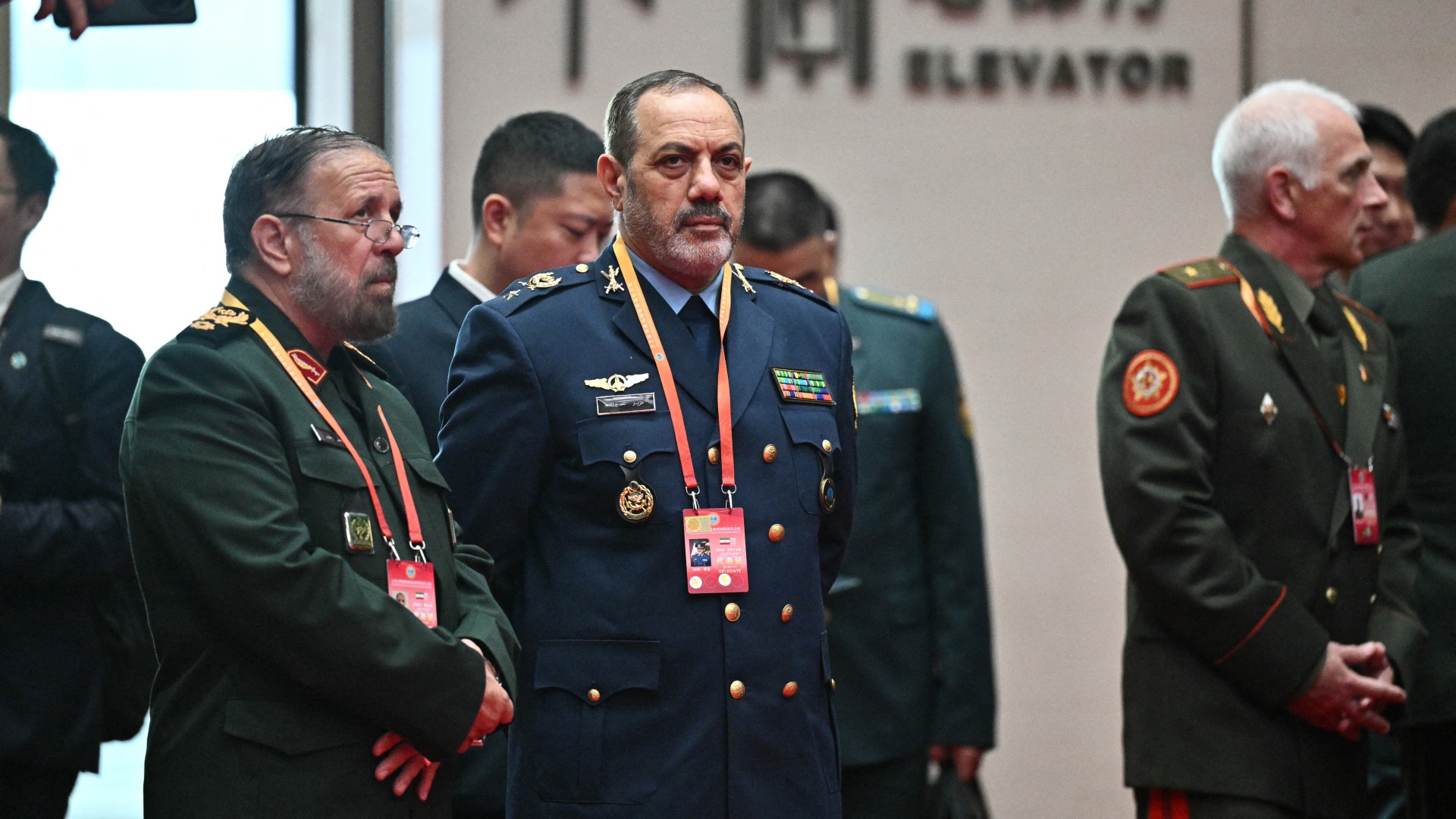
The assault extended far beyond the supreme leader, systematically eliminating the upper echelons of Iran’s security apparatus. Among the high-profile casualties is Mohammad Pakpour, Commander of the Islamic Revolutionary Guard Corps (IRGC); Ali Shamkhani, Secretary of the Defence Council and a key nuclear negotiator; and Amir Nasirzadeh, the nation’s Defence Minister. Abdolrahim Mousavi, Chief of Staff of the Armed Forces, was also killed, continuing a pattern of targeting military successors.
Israeli military spokespersons claimed responsibility for eliminating a wider circle of senior officials, though these reports await independent verification. According to intelligence sources cited by major news outlets, the operation was based on meticulously gathered intelligence. The New York Times reported that the CIA had been monitoring Khamenei’s movements for months and recently identified a high-level meeting at a leadership compound in Tehran. This intelligence was subsequently shared with Israeli forces, who launched a simultaneous multi-target strike. CBS News, citing intelligence sources, placed the death toll among officials at approximately 40.
The list of presumed deceased includes Mojtaba Khamenei (a son and potential successor to the supreme leader), Esmail Qaani (head of the IRGC’s Quds Force), and several heads of military intelligence and research agencies. In the wake of this power vacuum, Iranian state media announced that interim governance would be transferred to a three-member council consisting of President Masoud Pezeshkian, Judiciary Chief Gholam-Hossein Mohseni-Ejei, and jurist Alireza Arafi. The scale and precision of the strikes mark an unprecedented escalation in the ongoing shadow conflict between the powers, potentially reshaping the geopolitical landscape of the Middle East.