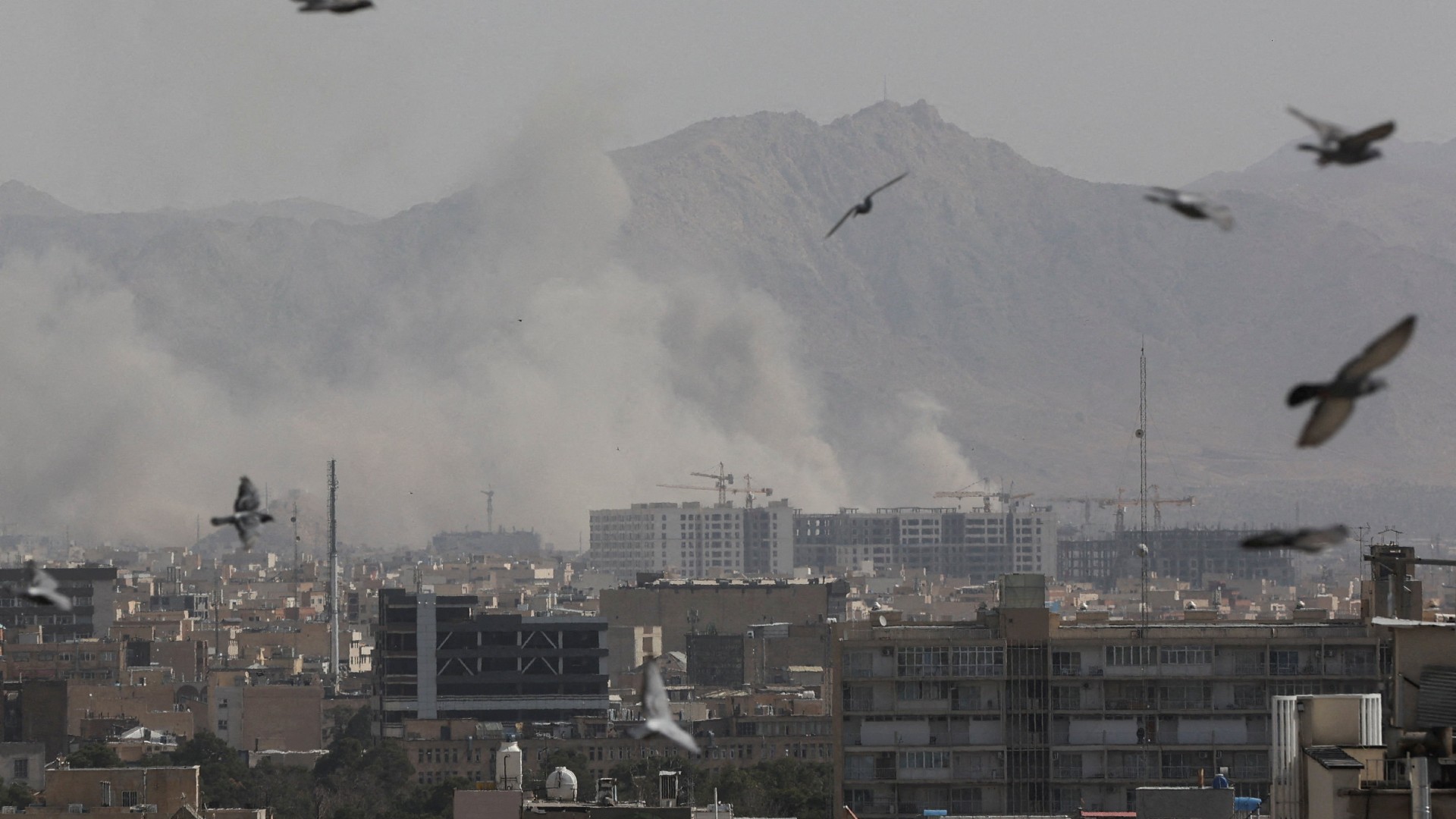
A series of coordinated US-Israeli aerial and missile assaults on Iranian territory this Saturday has ignited intense legal scrutiny regarding potential violations of established international legal standards. Prominent legal authorities are now challenging the legality of these military operations, which they argue constitute a clear breach of the United Nations Charter.
Professor Marko Milanovic, an esteemed expert in public international law at the University of Reading, maintains that these strikes represent unlawful actions under international law. “The operations are unequivocally illegal as they violate the UN Charter’s prohibition against unilateral use of force between sovereign states,” Milanovic stated in an interview with Middle East Eye. He further explained that while self-defense remains the only potential justification, the necessary legal requirements for such a claim remain unfulfilled in this instance.
In response to these attacks, Iran launched retaliatory strikes targeting Israel and several Gulf states, including Saudi Arabia, the UAE, Kuwait, Bahrain, and Qatar. Initial reports indicate significant casualties, with at least 63 schoolgirls reportedly killed in a strike on an educational facility in southern Iran.
US President Donald Trump characterized the operation as a preventive measure against nuclear proliferation and “eliminating imminent threats from the Iranian regime.” Simultaneously, Israeli Prime Minister Benjamin Netanyahu framed the attack as creating conditions for Iranian citizens to “remove the yoke of tyranny.”
The legal framework governing such actions derives primarily from Article 2(4) of the UN Charter, which prohibits the use of force except in two specific circumstances: authorization by the UN Security Council or legitimate self-defense under Article 51 following an armed attack. Since the Security Council did not authorize these strikes, the legal justification rests solely on questionable self-defense claims.
International law recognizes three distinct perspectives regarding self-defense: preventive self-defense (widely rejected), anticipatory self-defense (permitted only against genuinely imminent attacks), and self-defense following actual armed aggression. Legal analysis suggests the US-Israeli actions fail to meet the standards for any legitimate self-defense claim, particularly given the absence of evidence regarding Iran’s immediate intent or capability to launch an attack.
The proportionality and necessity of the strikes also face serious legal challenges, especially considering ongoing diplomatic negotiations and the lack of evidence supporting claims about Iran’s nuclear weapons program. Oman’s foreign minister, acting as mediator in US-Iran talks, confirmed Iran’s formal commitment to never develop nuclear weapons—a position consistent with findings from US intelligence agencies and the UN nuclear watchdog.
Under international law, Iran retains the right to self-defense, provided its response remains necessary and proportionate. However, targeting facilities in third-party countries that weren’t involved in the initial attack presents additional legal complications.
The Rome Statute of the International Criminal Court classifies aggression as one of four core international crimes, though jurisdiction doesn’t extend to American, Israeli, or Iranian leaders since these nations aren’t parties to the ICC’s founding treaty.