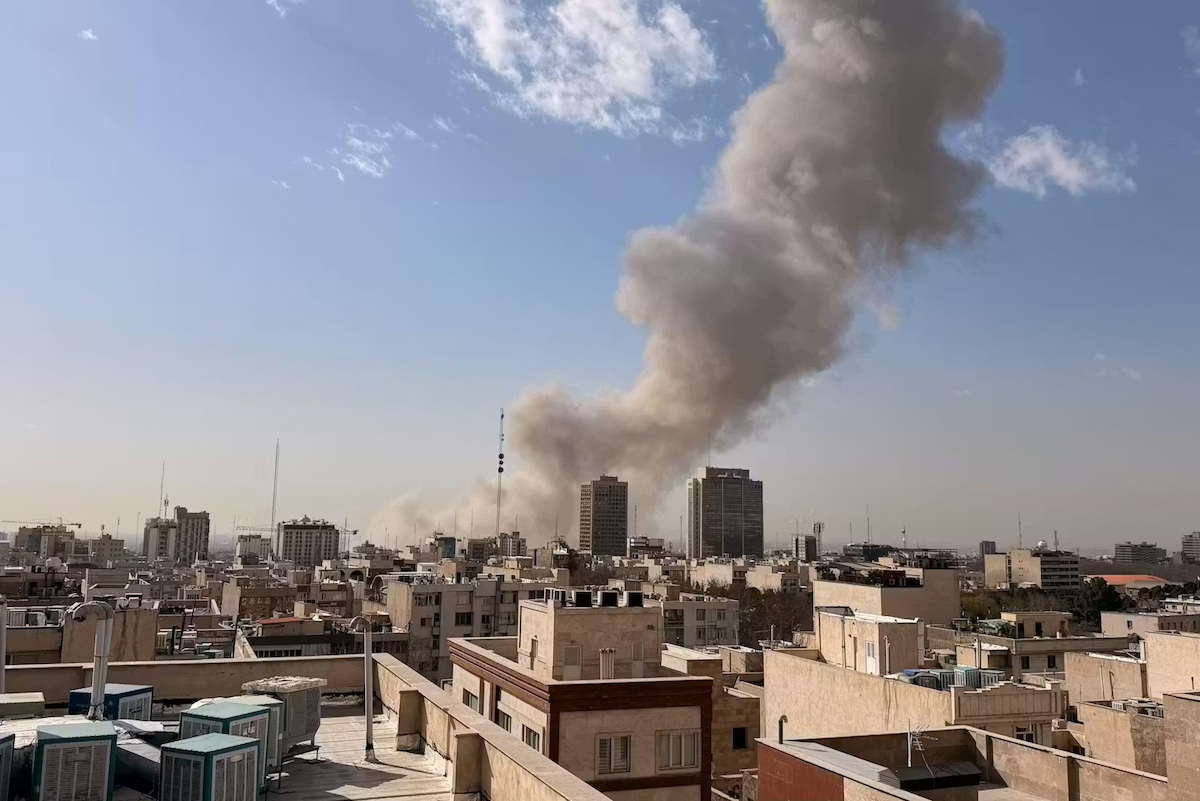
In a dramatic reversal of diplomatic progress, United States and Israeli forces launched coordinated military strikes against Iranian targets this week, effectively derailing what mediators described as the most promising nuclear negotiations in years. The escalation occurred just as negotiators in Geneva were finalizing a principles agreement that would have significantly constrained Iran’s nuclear program.
Omani Foreign Minister Badr Albusaidi had publicly characterized the talks as demonstrating “unprecedented openness,” with both sides moving beyond entrenched positions to explore creative solutions. The proposed framework included verifiable limits on uranium enrichment, complete elimination of highly enriched uranium stockpiles, and unprecedented International Atomic Energy Agency monitoring provisions that potentially included US inspectors operating within Iran.
Iranian negotiators had demonstrated remarkable flexibility, offering strategic compromises designed to address US political realities. These included proposals for energy sector cooperation and economic incentives that represented calculated concessions rather than unilateral surrender. The objective was clear: establish enforceable nuclear constraints through intrusive verification mechanisms that would address proliferation concerns more effectively than sanctions or military threats.
Mediators revealed that a principles agreement could have been signed within days, with detailed verification protocols following within months. The diplomatic breakthrough appeared tangible—until military action intervened.
The strikes, framed by US leadership as “major combat operations” necessary to eliminate nuclear and missile threats, targeted Tehran and other Iranian cities. Iran responded with immediate retaliatory measures, launching missiles and drones against US bases and allied states across the Gulf region. Reports confirmed explosions in Bahrain, the United Arab Emirates, and other locations, with at least one fatality in Abu Dhabi.
This escalation carries profound implications for regional stability and non-proliferation efforts. Iran represents a structurally resilient state with layered institutions and embedded security apparatus—distinct from the personalized dictatorships of Iraq or Libya. Its asymmetric capabilities, including missile systems positioned along the Strait of Hormuz, ensure that conflict will not remain contained.
The timing of military action—during active diplomatic progress—undermines the premise that negotiation represents a genuine alternative to war. It signals that even successful diplomacy offers no guarantee against escalation, potentially convincing both sides that future negotiations are futile. This perception may harden deterrence postures and establish aggression as the default language of international power dynamics.
The failure of diplomacy amid visible progress raises fundamental questions about strategic objectives and the durability of American commitments to negotiated solutions. As regional conflict expands beyond Iran’s borders, the prospect of prolonged confrontation threatens global energy markets and international security architecture.