Britain’s political landscape has fractured over military engagement with Iran as opposition leaders intensify calls for the Labour government to reverse its stance and support American-Israeli strikes. The controversy erupted after Foreign Office officials confirmed the UK had been notified of the coordinated operation against Iranian targets but explicitly declined participation.
Prime Minister Keir Starmer convened an emergency COBRA committee meeting with senior ministers, military commanders, and intelligence experts to monitor the escalating situation. Despite this heightened security posture, the government maintained its position of non-involvement in Friday’s offensive actions.
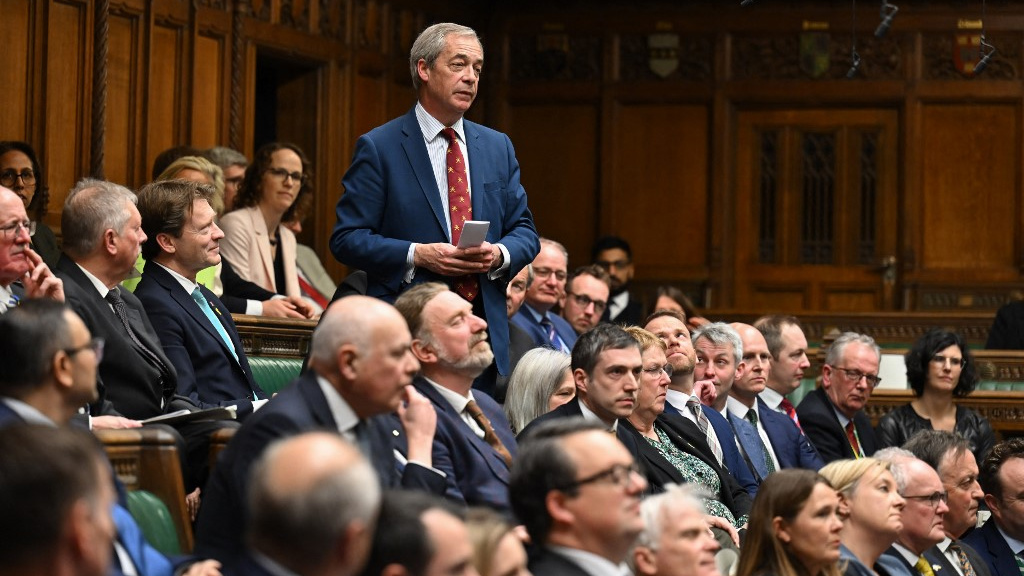
Reform UK leader Nigel Farage launched a public campaign demanding immediate policy reversal, stating on social media: ‘The Prime Minister must authorize our military bases and support Americans in this critical confrontation against Iran!’ His colleague Nadhim Zahawi echoed these sentiments, calling for full operational support and resource allocation to key regional allies including the United Arab Emirates.
Conservative Party leader Kemi Badenoch declared solidarity with US and Israeli forces, characterizing Iran as a threat to British security interests. ‘This regime attacks UK citizens, pursues nuclear capabilities, and brutally suppresses its population,’ she asserted, referencing recent protests and alleged human rights violations.
The strategic dilemma centers on Diego Garcia, the joint UK-US military installation in the Indian Ocean that positions bomber aircraft within striking distance of Iranian territory. While the Starmer administration previously denied use of British bases for offensive operations, recent movements of F-22 Raptors from RAF Lakenheath to Israeli airbases have complicated the narrative.
Government spokespersons emphasized nuclear non-proliferation objectives while prioritizing citizen safety: ‘Iran must never develop nuclear weapons. Our immediate focus remains protecting UK nationals in the region with 24/7 consular support.’ The statement carefully avoided criticism of allied actions while warning against regional escalation.
Dissenting voices emerged from within parliamentary ranks. Foreign Affairs Committee Chair Emily Thornberry applauded non-participation as ‘illegal strikes will inevitably produce regional chaos affecting shipping lanes, oil facilities, and military installations.’ Green Party MP Ellie Chowns condemned the operation as ‘irresponsible and provocative,’ urging condemnation of ‘rogue state behavior.’
Foreign policy experts cautioned against entanglement, with Council for Arab-British Understanding chair Chris Doyle noting: ‘European states were excluded from planning and would have zero influence over conflict resolution despite bearing consequences.’