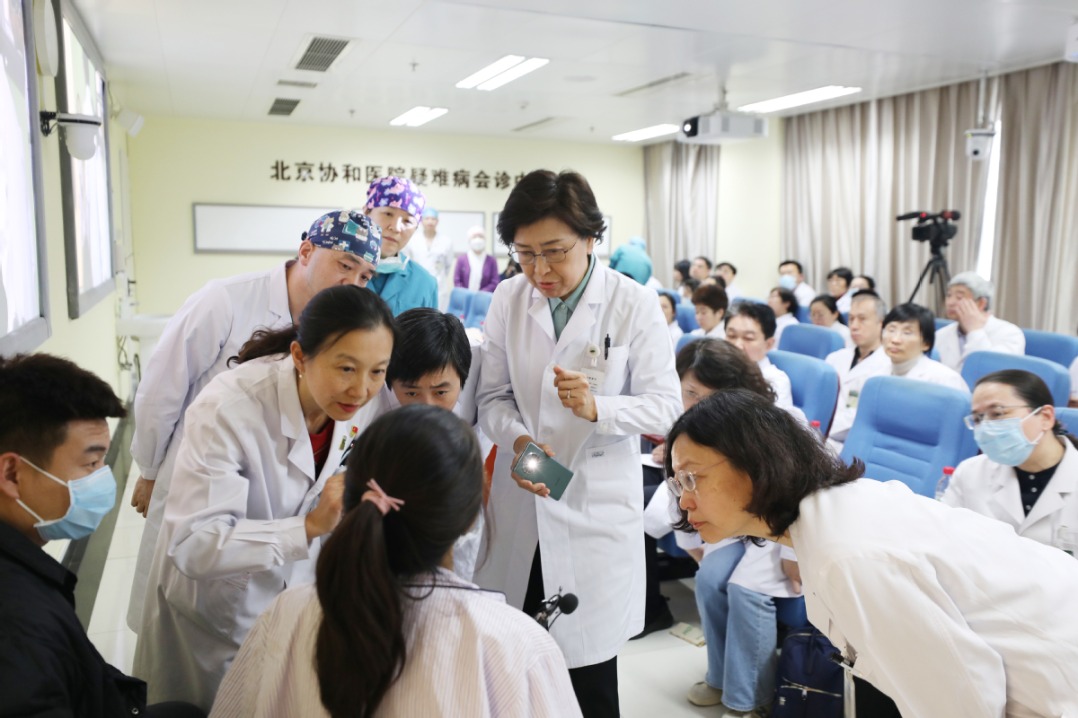
Peking Union Medical College Hospital (PUMCH), China’s flagship institution within the National Collaboration Network for Rare Diseases, has revolutionized diagnostic protocols and treatment methodologies for rare medical conditions through innovative systemic reforms.
The hospital has implemented a comprehensive multidisciplinary framework that integrates all clinical units including outpatient services, inpatient care, and specialist consultations. This integrated approach has dramatically compressed the diagnostic timeline from an average of four years to approximately four weeks—creating what medical professionals describe as a ‘closed-loop’ diagnostic pathway.
Central to this transformation is the establishment of the Joint Clinic for Rare Diseases, which provides coordinated ‘one-stop’ medical services. This innovative facility allows patients to receive simultaneous referrals to multiple specialist departments during a single visit, while genetic counselors provide real-time interpretation of complex medical reports. This streamlined approach significantly reduces the burden of repeated hospital visits for patients and families.
The program’s impact is demonstrated by quantitative results: during the previous year, the clinic treated over 21,000 patients with rare diseases, representing a nearly 20% increase compared to the preceding year. Beyond clinical services, PUMCH has advanced scientific research initiatives, expanded international collaborative partnerships, and contributed substantially to developing China’s national framework for rare disease prevention and treatment security systems. These developments coincide with the hospital’s centennial celebrations, marking a century of medical leadership.