The volatile Pakistan-Afghanistan border has erupted into intense military confrontation, with both nations exchanging lethal airstrikes and artillery fire across the Torkham border region. The conflict escalated dramatically when Pakistani forces, utilizing air power and heavy artillery, targeted Afghan military installations deep inside Afghan territory overnight into Saturday.
According to Pakistani Information Minister Attaullah Tarar, these operations resulted in devastating losses for Afghan forces, with over 300 casualties and more than 500 wounded. Pakistani authorities reported the destruction of 102 Afghan military posts, capture of 22 additional positions, and elimination of 163 tanks and armored vehicles across 37 locations.
The current cycle of violence began Thursday night when Afghan forces launched retaliatory strikes against what they described as Pakistani military aggression. Islamabad maintains its initial operations targeted seven training camps and hideouts of the outlawed Tehrik-e-Taliban Pakistan (TTP), which Pakistan alleges receives sanctuary from Afghanistan’s Taliban government—a claim both the TTP and Afghan authorities consistently deny.
Afghanistan’s Defense Ministry countered with claims of successful attacks on Pakistani military bases in Miranshah and Spin Wam, destroying installations and inflicting heavy casualties. Local Afghan officials additionally accused Pakistan of striking civilian areas, reporting at least 11 civilian deaths and destruction of residential properties—allegations Pakistan denies, insisting it exclusively targets military infrastructure.
The rhetorical warfare matches the intensity of physical combat. Afghan government spokesman Zabihullah Mujahid declared their strikes delivered “a message that our hands can reach their throats,” while Pakistan’s Defense Minister Khawaja Mohammad Asif stated unequivocally on social media: “Our patience has now run out. Now it is open war between us.”
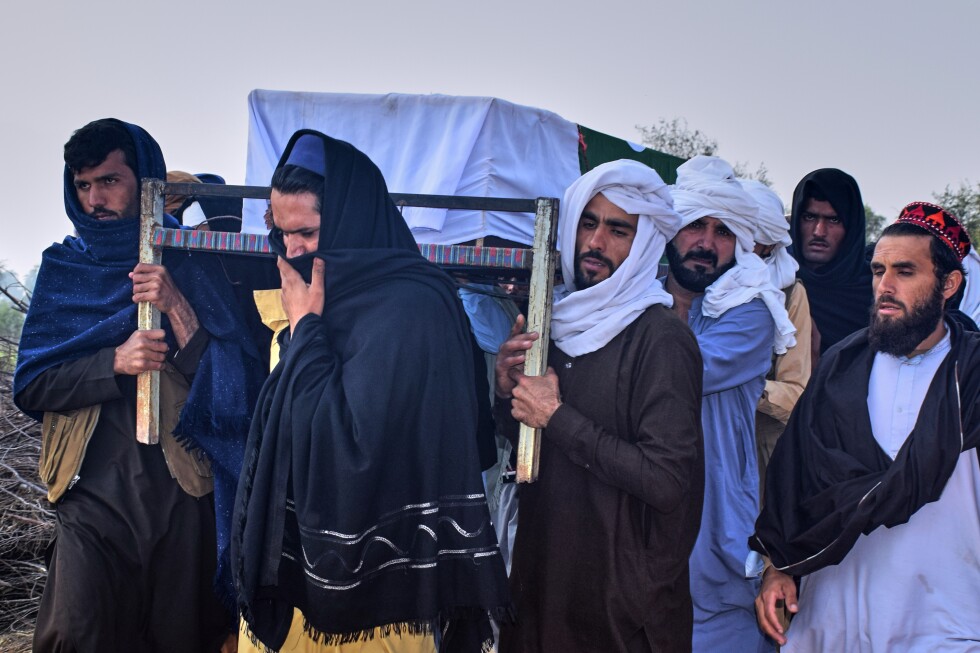
The human toll extends beyond combatants, with hundreds of border residents fleeing to safer areas and Afghan refugees stranded at crossing points. Civilian testimonies describe families trapped by fighting and struggling to obtain food during Ramadan. Multiple international actors including Turkey, Saudi Arabia, Qatar, and China have initiated mediation efforts to de-escalate tensions, with Qatari officials already engaging both nations’ foreign ministers.