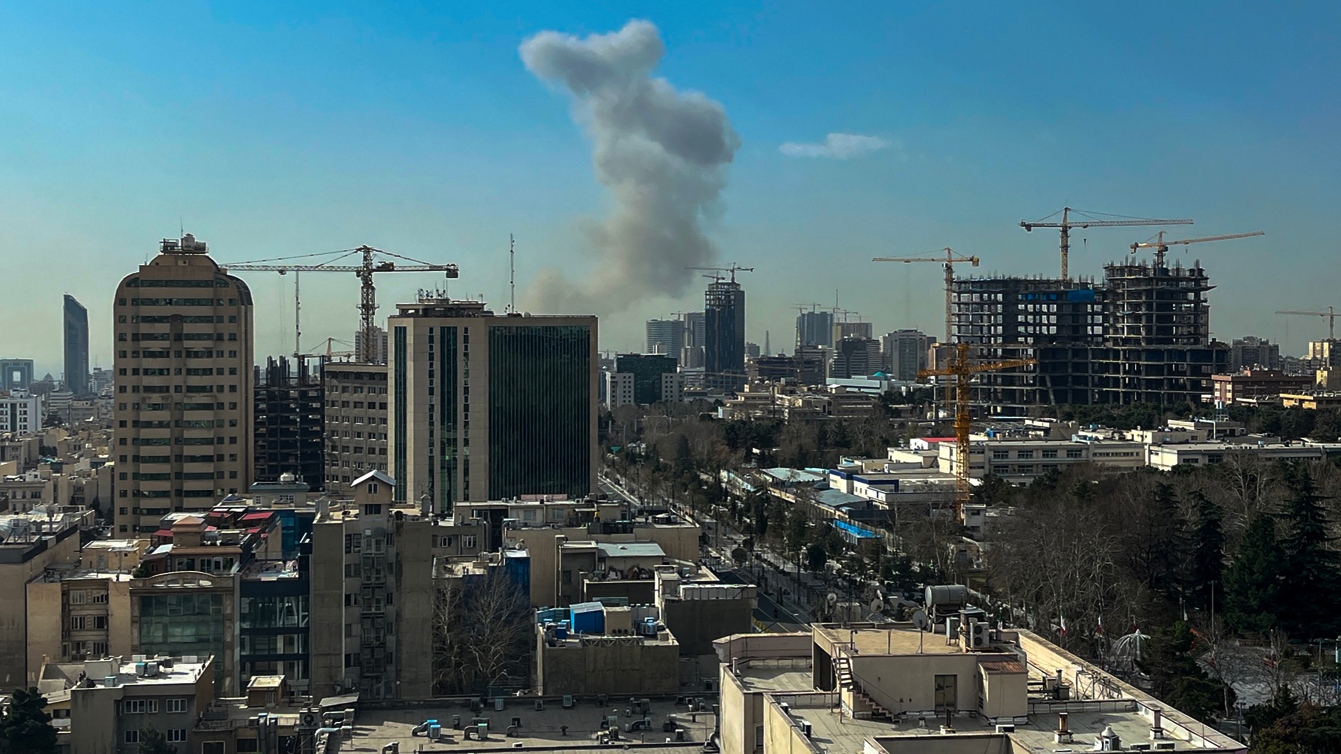
In a significant escalation of Middle Eastern tensions, the United States and Israel conducted coordinated military strikes against multiple targets in Iran on Saturday. The attacks, targeting sites in Tehran and several other cities including Qom, Karaj, and Kermanshah, mark a dangerous new phase in regional instability.
According to US security officials, the joint operation represents a dramatic intensification of military engagement with Iran. Israeli Defense officials confirmed their forces struck multiple locations within the Iranian capital, where explosions were reported throughout the morning. Iranian officials disclosed to Reuters that several government ministries in southern Tehran were among the targets hit.
This offensive follows President Donald Trump’s previous military action against Iran in June 2025, when US forces joined Israel in a 12-day conflict that culminated in bombing three Iranian nuclear facilities. While Trump previously characterized those strikes as ‘limited and decisive,’ targeting Tehran directly establishes conditions for potentially extended US military involvement in the region.
The administration had been preparing for this escalation since January, deploying additional warplanes, air defense systems, and an aircraft carrier to the Middle East. In an interview with Axios, Trump notably referenced dispatching ‘a big armada next to Iran. Bigger than Venezuela’ – drawing parallels to his military campaign against the Latin American nation earlier in the month.
Despite the military action, Trump has maintained diplomatic channels with Tehran, leaving the path to negotiations open. The administration had considered military action against Iran for nearly a month, initially citing the government’s brutal crackdown on demonstrators that resulted in thousands of casualties. After initially encouraging protestors to ‘take over’ state institutions, Trump later claimed the ‘killing has stopped.’
Regional experts caution that this latest attack could provoke severe retaliation from Iran. Unlike previous responses – such as the June attack on al-Udeid air base in Qatar, which was conducted with advance warning and limited damage – current circumstances might compel Iran to respond more aggressively. With Tehran already confronting massive domestic protests, US military action could be perceived as an existential threat, potentially triggering attacks on US bases across the region or attempts to shut down the Strait of Hormuz, a critical passage for 20% of global oil shipments.
The operation follows a pattern similar to Trump’s approach toward Venezuela, where escalating tensions ultimately resulted in the abduction and detention of President Nicolas Maduro. Regional powers including Saudi Arabia, Qatar, and Oman had lobbied against military action, while several Gulf states explicitly refused to allow US use of their territory or airspace for attacks on Iran.